


Master Key Systems for Small Business: 2026 Guide
Table of Contents
What Is a Master Key System and How It Works
Key Hierarchy: Master, Sub-Master, and Change Keys
Pin Tumbler Mechanics and Keying Schedules
Security Advantages and Key Management Benefits
Electronic vs Mechanical Access Control for Small Offices
Mechanical Systems: Traditional Reliability
Electronic Systems: Digital Integration and Scalability
Hybrid Approaches for Growing Businesses
Key Control Policy Template and Best Practices
Restricted Keyway and Key Duplication Security
Key Tracking and Audit Procedures
Master Key Systems vs Traditional Keying
Commercial Lock Installation Costs and Planning
Factors Affecting Installation and Design
Compliance and Insurance Requirements
Getting Started: Design, Installation, and Ongoing Management
Frequently Asked Questions
Last Updated: October 4, 2026
What Is a Master Key System and How It Works
A master key system is a hierarchical keying arrangement that allows a single key to open multiple locks while individual keys open only their assigned locks.

At Plaza Lock, we've designed and installed master key systems for small business across commercial properties in Los Angeles and surrounding counties since 1987.
Key Hierarchy: Master, Sub-Master, and Change Keys
The power of a master key system lies in its three-tier structure. A change key opens only one specific lock.
Consider a small office building. Tenants receive change keys for their individual suites. The building manager carries a sub-master key for common areas. The owner holds the master key for emergency access everywhere.
The keying schedule, a detailed map documenting which keys open which locks, becomes your system's blueprint. Without accurate documentation, the entire structure collapses.
Pin Tumbler Mechanics and Keying Schedules
Inside each cylinder lock sits a series of pins at different heights.
The master pin, a specialized component in the lock, creates a second shear line. This allows both the change key and the master key to operate the same lock, each aligning the pins differently.
A precise keying schedule documents every lock, every key level, and every bitting combination. This schedule is your insurance policy. Lose it, and you've lost control of your security infrastructure.
Security Advantages and Key Management Benefits
Master key systems deliver security through controlled access distribution. Instead of handing out dozens of identical keys, you issue only the keys necessary for each person's role.
This reduces your exposure to unauthorized key duplication. According to American National Standards Institute guidance on key control standards, restricted keyways are the foundation of modern key management for commercial properties.
Key tracking becomes manageable. You maintain a log of who holds which keys, at what level. If someone leaves, you know exactly which locks need re-keying.
The psychological benefit matters too. Employees understand they have appropriate access, no more, no less. Customers and visitors see a professional, controlled environment.
Electronic vs Mechanical Access Control for Small Offices
The choice between mechanical master key systems and electronic access control isn't binary anymore. Modern small businesses often blend both.
SE Lock and Key
Mechanical Systems: Traditional Reliability
A mechanical master key system requires no batteries, no network connection, no software updates. It works during power outages. It works if your internet goes down.
The cost is predictable: installation, periodic re-keying when staff changes, and occasional lock maintenance. No recurring licensing fees. No vendor lock-in. The system you install today works the same way in five years.
The limitation is visibility. You don't know when someone accessed a door or how long they stayed. You can't remotely grant access to a contractor arriving at 2 AM.
Electronic Systems: Digital Integration and Scalability
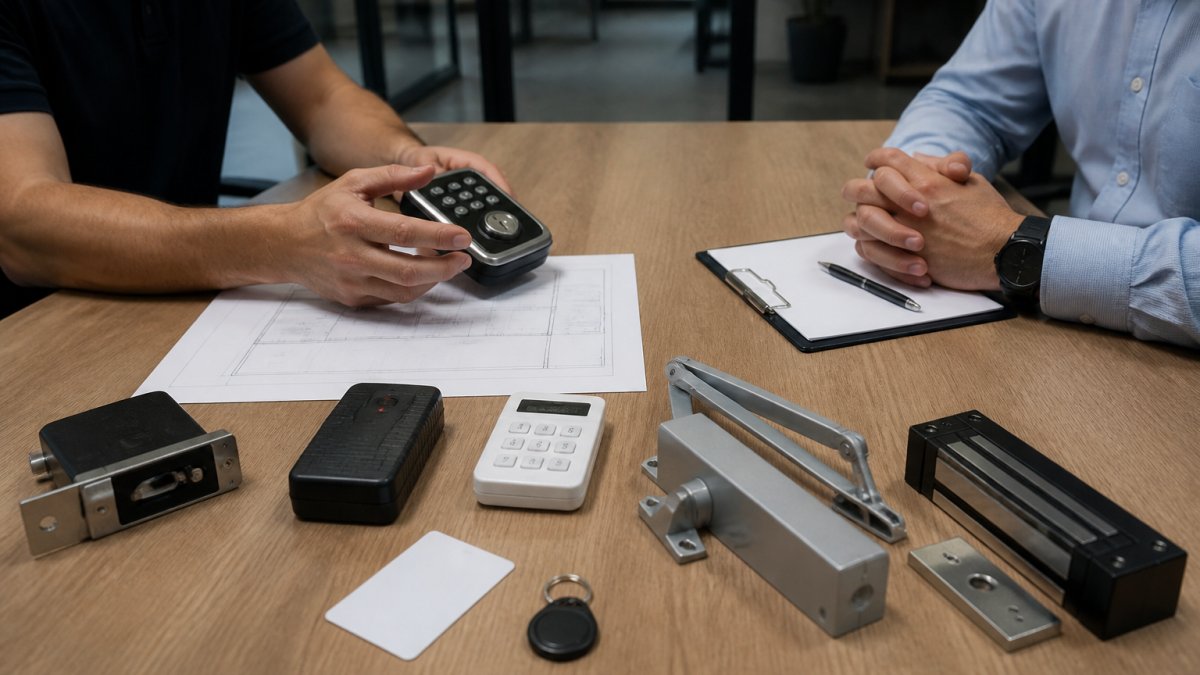
Electronic access control logs every entry and exit with timestamps. You grant or revoke access remotely. You can set time-based permissions (the cleaning crew enters only at 6 PM). You integrate with other security systems, cameras, alarms, visitor management.
The trade-off is complexity and cost. Electronic systems require infrastructure: card readers, network connectivity, server software, regular updates. A power outage requires battery backup. A network failure requires failover planning.
For growing businesses or those with high-security requirements, this investment pays off. For a five-person office, it often doesn't.
Hybrid Approaches for Growing Businesses
Many small businesses start mechanical and migrate toward hybrid systems. You keep mechanical master keys for emergency access and routine operations.
A small retail store might use mechanical keys for stockroom and office, but electronic card readers for the front door and cash office. This approach gives you the flexibility to scale.
This is the path Plaza Lock recommends for clients planning growth. You avoid over-investing in technology you don't yet need while building a framework that adapts as requirements change.
Key Control Policy Template and Best Practices
A key control policy documents who gets what keys, when, and under what conditions. Without one, your master key system is just a collection of locks.
A basic template includes:
Key assignment log: Employee name, position, keys issued, date issued, signature acknowledging responsibility
Access levels: Define which positions receive change keys, sub-master keys, or both
Departure procedures: When an employee leaves, specify which keys must be returned and which locks require re-keying
Key storage: Designate a secure location for master keys, restricted to authorized personnel only
Audit schedule: Quarterly or semi-annual review of who holds which keys and whether assignments still match current roles
Loss reporting: Immediate notification procedure if a key goes missing
Restricted Keyway and Key Duplication Security
A restricted keyway is a patented key blank shape that standard key-cutting machines cannot replicate. Only authorized locksmiths with specific equipment can cut blanks for your system.
The cost premium for restricted keyways is modest. The security gain is substantial. You eliminate the risk of unauthorized copies circulating.
Pair this with a key duplication policy: only the property manager or owner authorizes new keys. Employees requesting duplicates submit requests in writing, explaining the need. This creates accountability and an audit trail.
Key Tracking and Audit Procedures
A key tracking system is simple but requires discipline.
Conduct quarterly audits. Walk through your log and verify each person still holds the keys assigned to them. Ask for physical confirmation when possible.
Document findings. If someone has left the company but keys haven't been returned, flag it immediately.
This process takes a few hours quarterly for a small business. It prevents the chaos of lost control over your own security infrastructure.
Master Key Systems vs Traditional Keying
Traditional keying, where each lock has its own unique key, offers simplicity but creates operational headaches. A small office with 15 locks means 15 different keys.
A master key system consolidates that chaos. The owner carries one master key instead of 15. Employees carry only the change keys they need. Access is granular but manageable.
The trade-off is complexity in initial design and setup. You must plan your hierarchy upfront. You need accurate documentation. You need a locksmith who understands keying schedules.
For a two-person home office, traditional keying is fine.
Commercial Lock Installation Costs and Planning
The cost of a master key system depends on several factors. There is no single price point because every installation is unique.
Factors Affecting Installation and Design
The number of locks drives cost directly. More locks mean more pins to configure, more keys to cut, more hardware to install.
The complexity of your hierarchy matters. A simple two-level system (master key and change keys) is cheaper than a three-level system with sub-masters.
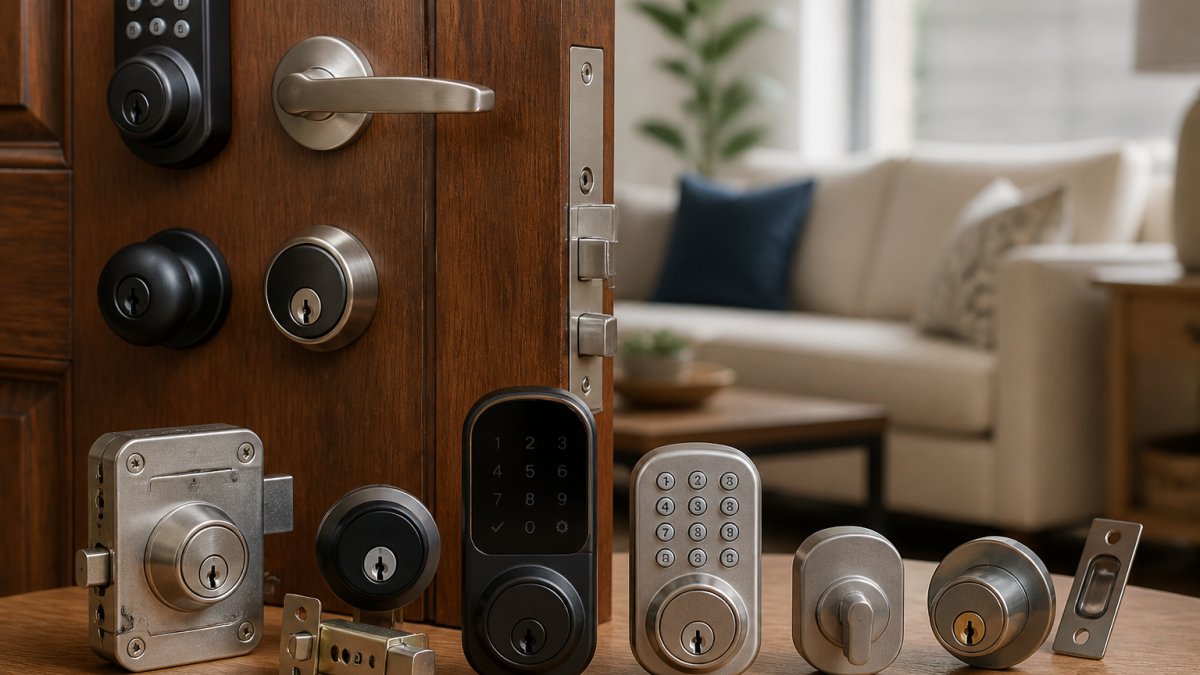
The type of locks you're installing affects price. Basic pin tumbler cylinders are economical.
Whether you're retrofitting existing locks or installing new ones changes the scope. Retrofitting typically costs less because you're replacing only the cylinders.
Compliance and Insurance Requirements
Check your business insurance policy. Some carriers require documented key control procedures for commercial properties.
Building codes in your jurisdiction may specify lock types for certain spaces. Fire exits, for example, often have code requirements that affect your master key design.
If your business handles sensitive information or valuable inventory, compliance frameworks like HIPAA (for healthcare) or PCI-DSS (for payment card data) may impose access control requirements.
Document your system. Keep your keying schedule, your key control policy, and your audit logs.
Getting Started: Design, Installation, and Ongoing Management
Starting a master key system begins with an honest assessment of your access needs. Map your space.
This planning phase is crucial. A locksmith experienced in master key design can guide you, but you must provide input.
Once the design is locked in, installation follows. For a small office, this typically takes a short time.
Ongoing management is lightweight but consistent. Maintain your key control log. Update it whenever keys are issued or returned. Conduct quarterly audits.
At Plaza Lock, we handle the technical side, design, installation, re-keying, and maintenance. Our team brings three decades of experience working with small businesses across Los Angeles and surrounding counties, and we're now serving Van Nuys with the same commitment to reliability and expertise.
A master key system is an investment in control and peace of mind.
System Type | Best For | Key Advantage | Primary Limitation |
Mechanical Master Key | Small offices, straightforward access | Reliable, no technology required | No access logging |
Electronic Access Control | Growing businesses, sensitive areas | Remote access, detailed audit trail | Higher cost, requires maintenance |
Hybrid Approach | Scaling businesses | Flexibility, phased implementation | Moderate complexity |
Frequently Asked Questions
How much does a master key system cost for a small business?
Master key system costs vary based on the number of locks, facility layout, key hierarchy complexity, and whether you choose mechanical or electronic components. Pricing depends on the scope of your installation, the type of restricted keyway you need, and any integration with existing door hardware. Contact a licensed locksmith for a detailed quote tailored to your property's specific security needs and access control requirements.
What are the primary security risks of using a master key system?
The main risks include unauthorized key duplication if your master key or sub-master keys fall into the wrong hands, and the potential for a single compromised master key to grant access to multiple areas. Mitigate these risks by implementing a strong key control policy that limits who can access keys, using restricted keyways that prevent unauthorized duplication, maintaining detailed key tracking logs, and regularly auditing your key management procedures. High-security locks make duplication significantly more difficult.
What is the difference between a master key system and a grand master key system?
A master key opens all locks within a specific area or building section, while a grand master key (or great grand master key) operates at a higher level in the hierarchy, opening all master-keyed groups across an entire facility. Grand master systems are typically used in large commercial properties or multi-building complexes where you need broader access control. For most small businesses, a standard master key system with sub-master and change keys provides sufficient operational efficiency and security infrastructure without the added complexity.
How do I manage key distribution in a small business environment?
Implement a key control policy that documents who holds which keys, tracks all key issuances and returns, and establishes clear access levels based on job roles. Use a key management log that records the date, person, and purpose of each key checkout. Limit master key access to senior staff only, issue change keys to employees who need daily access to specific doors, and conduct regular audits to ensure no keys are unaccounted for. This approach balances operational efficiency with facility security and helps prevent unauthorized access.
Are master key systems compatible with high-security restricted keyways?
Yes, master key systems can be designed with high-security restricted keyways, which significantly enhance lock integrity and prevent unauthorized duplication. Restricted keyways require special blanks and tools that only licensed locksmiths can obtain, making it much harder for someone to create duplicate keys without authorization. This combination provides strong physical security while maintaining the convenience of a master key hierarchy, making it ideal for small businesses that need both access control and protection against security breaches.
Can a single master key open every lock in a commercial building?
A master key is designed to open all locks within its designated system, but the scope depends on how your keying schedule is structured. You can configure a master key system so one key opens specific areas while other zones require different master keys, giving you flexibility in access control. This is why the design and planning phase is critical, a locksmith will help determine the key hierarchy that matches your facility's layout and your business's operational needs.
What's the difference between mechanical and electronic access control for small offices?
Mechanical master key systems rely on pin tumbler locks and physical keys, offering reliability, low maintenance, and no dependency on power or batteries. Electronic access control systems use card readers, keypads, or biometric scanners, providing audit trails, remote access management, and the ability to revoke access instantly. For small offices, mechanical systems work well if you have stable staffing and simple access needs, while electronic systems suit businesses with frequent employee turnover, multiple locations, or compliance requirements that demand detailed access logs.
Get A Free Estimate

Comments