


Locksmith Pricing for Rekeying Services: What to Expect
Table of Contents
What Affects Locksmith Pricing for Rekeying Services
Understanding the Locksmith Service Call Fee
Rekeying vs Replacing Locks: Cost and Security Comparison
How Long Does It Take to Rekey a Lock
Cost Breakdown by Lock Type and Complexity
Emergency and After-Hours Pricing Considerations
Verifying Locksmith Credentials and Getting Accurate Estimates
Conclusion
Frequently Asked Questions
Last Updated: September 18, 2026
What Affects Locksmith Pricing for Rekeying Services
Locksmith pricing for rekeying services depends on several interconnected factors that vary significantly between jobs. Understanding what drives the cost helps you budget accurately and avoid surprises when you get estimates.
The most important variables are lock type, number of locks, and complexity. A simple residential deadbolt costs far less to rekey than a commercial master key system with multiple entry points. The locksmith must assess each lock individually, determine what pins need changing, and verify that the new key works across all affected locks.

Your location and the locksmith's service area matter too. Urban areas typically have more competition and lower prices than rural regions. Travel time factors into the estimate, if the locksmith must drive 30 minutes to reach you, that cost gets passed along. The time of day you need service also affects pricing. Standard business hours (8 AM to 5 PM, Monday through Friday) cost less than evening or weekend calls.
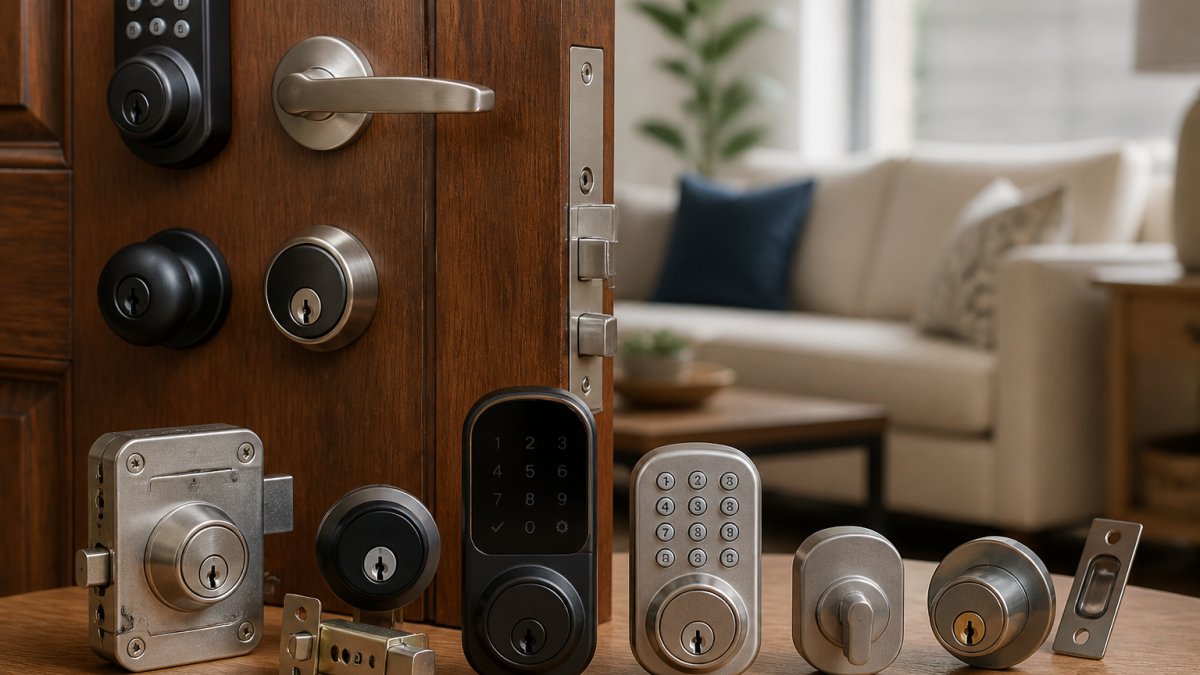
Lock hardware quality influences the price as well. High-security locks with specialized pin tumbler systems cost more to rekey than standard residential locks. If your property has a mix of lock types, the locksmith must handle each differently. Some locks use an IC core design, which simplifies rekeying and may reduce labor costs. Others require traditional pin-by-pin rekeying, which takes longer.
Pro Tip Ask the locksmith specifically about each lock's design during the estimate call. Knowing whether you have IC core locks, pin tumbler systems, or specialized hardware helps you understand why pricing varies between locks.
Understanding the Locksmith Service Call Fee
A service call fee covers the locksmith's travel time, assessment of your locks, and the initial consultation. This is separate from the actual rekeying labor and parts.
Service call fees typically apply when a locksmith visits your property to evaluate the job. Some locksmiths waive this fee if you hire them to complete the work. Others charge it upfront and credit part of it toward the final bill. Always ask about this policy before scheduling an appointment.
The fee compensates the locksmith for driving to your location, examining your locks, and providing a detailed estimate. If you have multiple properties or a complex security setup, the locksmith may spend 30 to 45 minutes just assessing what needs to be done. That time has value, and the service call fee reflects it.
When comparing locksmith estimates, factor in whether the service call fee is refundable or credited. A locksmith charging $50 for a service call that gets credited toward the job is different from one charging $50 with no credit. Always clarify this in advance.
Key Takeaway Service call fees range widely depending on the locksmith and your location. Always ask whether the fee applies to the final bill or stands alone.
Rekeying vs Replacing Locks: Cost and Security Comparison
Rekeying and replacing locks serve different purposes, and the choice depends on your security needs and budget.
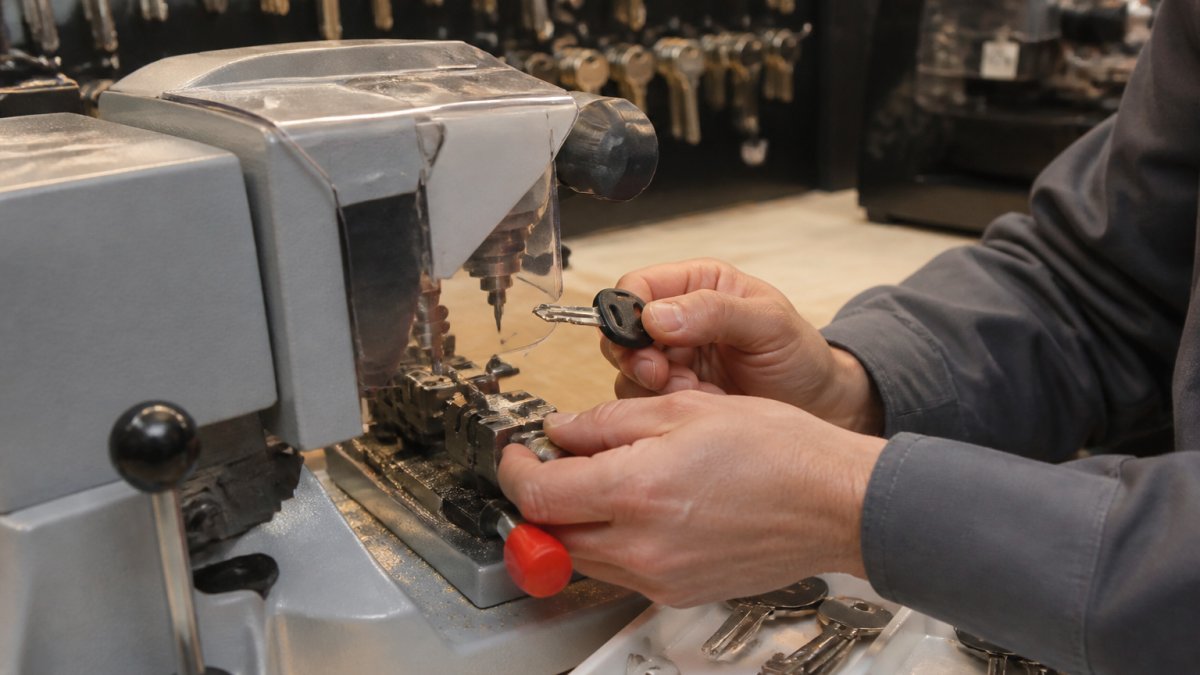
Rekeying changes the internal pin configuration so that old keys no longer work, but the lock hardware stays in place. You keep the same deadbolts, entry door hardware, and lock mechanisms. A locksmith removes the lock cylinder, adjusts the pins to match a new key, and reinstalls it. This approach costs significantly less than replacement because you're not buying new hardware.
Replacing locks means removing the old hardware entirely and installing new locks. You get new deadbolts, new lock cylinders, new key blanks, and sometimes upgraded security features. This costs more upfront but gives you complete control over the lock hardware and key control system. If your locks are damaged, outdated, or you want higher-security locks, replacement makes sense.
Approach | Best For | Cost Level | Security Upgrade |
Rekeying | Existing locks in good condition | Lower | Same hardware, new key access |
Replacing | Damaged locks or security upgrade | Higher | New hardware, improved features |
Rekeying works well when you buy a home and want to ensure the previous owner's keys no longer work. It's fast, affordable, and secures your entry immediately. Replacement makes sense if your locks are old, damaged, or if you want to implement a master key system across multiple properties.
The security difference is subtle but real. Rekeying gives you new key control with existing hardware. Replacement lets you choose higher-security locks with better pin tumbler designs or specialized features. For most residential situations, rekeying provides adequate security at a lower cost.
How Long Does It Take to Rekey a Lock
Rekeying a single residential lock typically takes 15 to 30 minutes, depending on the lock type and the locksmith's experience.
A straightforward deadbolt on an entry door usually falls on the faster end, 15 to 20 minutes. The locksmith removes the lock cylinder, adjusts the pins, tests the new key, and reinstalls it. If the lock is stuck or corroded, it takes longer. Older locks or specialty hardware can push the time to 30 minutes or more per lock.
When you're rekeying multiple locks, say, all the exterior doors plus interior locks for a master key system, the total time increases. A typical residential property with 3 to 5 locks might take 1.5 to 2.5 hours total. Commercial properties with 10 or more locks can take half a day or longer, especially if you're implementing a master key system where each lock must work with multiple keys.
The locksmith's familiarity with your specific lock brand and model also affects timing. Common residential locks that the locksmith has rekeyed hundreds of times go faster. Unusual or high-security locks require more careful work, even if the locksmith is experienced.
Watch Out If a locksmith quotes significantly less time than these ranges, verify they understand the full scope of your job. Rushing through rekeying can result in keys that don't work consistently or locks that jam.
Cost Breakdown by Lock Type and Complexity
Different lock types require different levels of skill and time, which directly affects pricing.
Residential deadbolts are the most common and typically the least expensive to rekey. Standard pin tumbler deadbolts on entry doors cost the least because they're straightforward, the locksmith accesses the cylinder, adjusts the pins, and tests the key. Most residential homes have this type.
Interior locks like bedroom or bathroom locks often cost less than deadbolts because they're simpler mechanisms. However, if you're implementing a master key system where interior locks must work with a control key, the complexity increases and so does the cost.
IC core locks simplify rekeying significantly. The lock cylinder pops out with a special tool, making the rekeying process faster. If your commercial property uses IC core locks, you'll likely pay less per lock than traditional pin tumbler systems.
High-security locks with specialized pins, security pins, or patented key designs cost more to rekey. These locks require the locksmith to source the correct pins and potentially use specialized tools. Security upgrades come at a premium, but they provide better protection against picking and bumping.
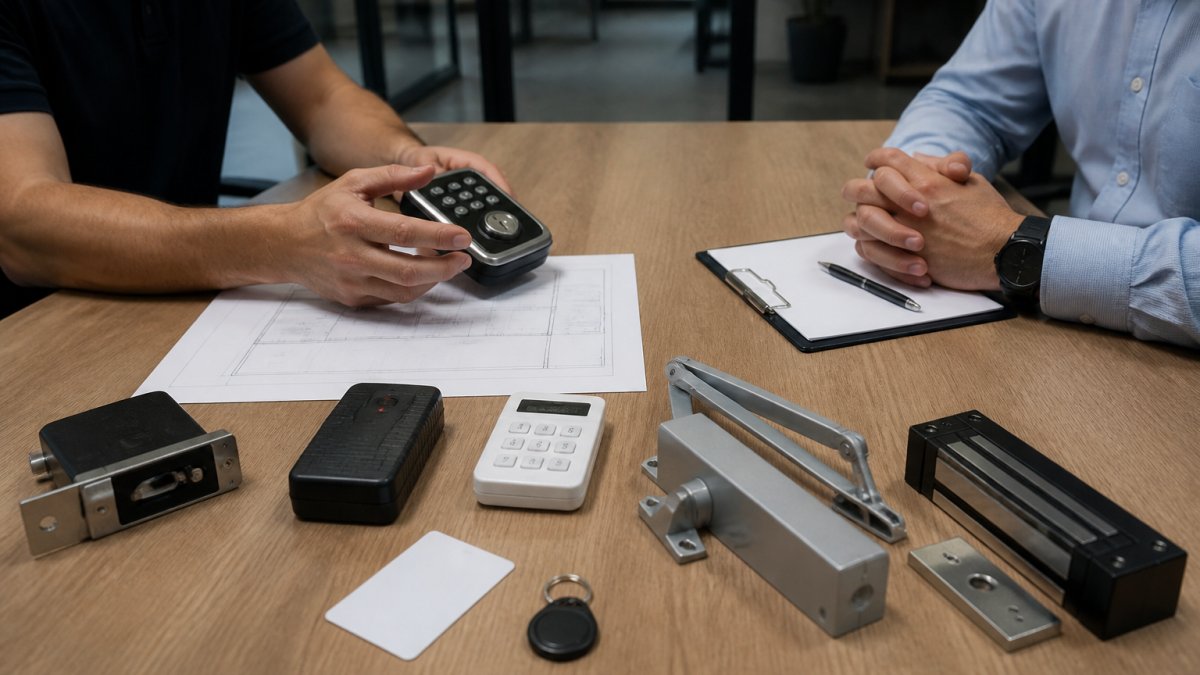
Master key systems add complexity because the locksmith must ensure each lock works with both an individual key and a master key. This requires precise pin configuration and testing. Master key systems for commercial properties cost significantly more than simple rekeying but provide superior access control.
Mortise locks found in older homes or commercial buildings take longer to rekey than simple deadbolts. The locksmith must disassemble more components and ensure everything reassembles correctly. Older mortise locks may require custom pins if standard sizes don't fit.
The number of locks you're rekeying also affects per-lock pricing. Rekeying 10 locks costs less per lock than rekeying 2 locks because the locksmith can work more efficiently and may offer volume discounts.
Emergency and After-Hours Pricing Considerations
Emergency locksmith calls outside standard business hours carry significant surcharges.
If you're locked out at 2 AM on a Sunday, expect to pay substantially more than you would for the same service on a Tuesday afternoon.
Pro Tip If you can schedule rekeying during standard business hours, do it. The savings compared to emergency calls are substantial, often 50% or more.
Verifying Locksmith Credentials and Getting Accurate Estimates
Before hiring any locksmith, verify their credentials and licensing to ensure you're working with a legitimate professional.
Conclusion
Locksmith pricing for rekeying services depends on lock type, quantity, complexity, and timing. Service call fees, emergency surcharges, and hardware upgrades all factor into the final cost. Rekeying typically costs less than replacing locks but serves a different purpose, it changes key access without replacing hardware.
Frequently Asked Questions
Is it cheaper to rekey locks or replace them?
Rekeying is typically the more economical choice when your existing locks are in good condition. Rekeying changes the internal pin tumbler configuration so old keys no longer work, while replacement means removing the entire lock hardware. Rekeying preserves your existing deadbolts and entry door hardware, reducing labor and material costs. However, if locks are damaged, corroded, or you want to upgrade to high-security locks, replacement may be the better investment for long-term security and functionality.
What factors influence the final price of a residential rekeying service?
Several factors affect locksmith pricing for rekeying services: the number of locks being rekeyed, the type of lock mechanism (standard pin tumbler versus high-security IC core systems), the complexity of the lock hardware, whether you need a master key system, service call fees, and whether the work occurs during standard business hours or after-hours. Additional costs may apply if locks are difficult to access or require key extraction. Verifying locksmith credentials and requesting a detailed estimate helps you understand all charges upfront.
Are there additional service call fees on top of rekeying prices?
Yes, most locksmiths charge a locksmith service call fee separate from the actual rekeying labor. This covers the technician's travel time and initial assessment. The service call fee typically applies whether you proceed with the work or not, though some providers waive it if you hire them for the service. Emergency locksmith calls or after-hours surcharges add further costs beyond standard rates. Always ask about all fees during your initial contact to avoid surprises on the final invoice.
How long does it take a professional to rekey a standard door lock?
A professional locksmith typically completes rekeying a single standard deadbolt in 15 to 30 minutes. The exact time depends on lock condition, accessibility, and whether the technician needs to extract stuck keys or clean corroded lock pins. Rekeying multiple locks takes proportionally longer. High-security locks with IC core systems may require additional time. Scheduling an appointment allows the locksmith to provide a more accurate timeframe based on your specific locks and security needs.
Get A Free Estimate
Comments