


How to Choose High-Security Locks: A Complete Guide
Table of Contents
What Makes a Lock High-Security
Attack Resistance and Lock Construction
Key Control and Restricted Keyways
Understanding Lock Grades and Security Ratings
ANSI Grades Explained
Grade 1 Residential Deadbolt Lock Grades
Pick-Resistant Locks and Bumping Protection
Security Pins and Anti-Manipulation Design
Anti-Bump Technology
Drill-Resistant Door Locks and Destructive Attack Prevention
Hardened Steel and Reinforced Construction
Protection Against Forced Entry and Breaching
Rekeying House Locks After Purchase or Tenant Turnover
When to Rekey vs. Replace
Master Key Systems for Rental and Commercial Properties
Whole-Door Security: Installation, Frames, and Hardware
Strike Plate and Frame Reinforcement
Professional Installation and Compatibility
Selecting the Right Lock for Your Use Case
Residential vs. Commercial Security Needs
Threat Assessment and Budget Considerations
Frequently Asked Questions
Last Updated: October 12, 2026
What Makes a Lock High-Security
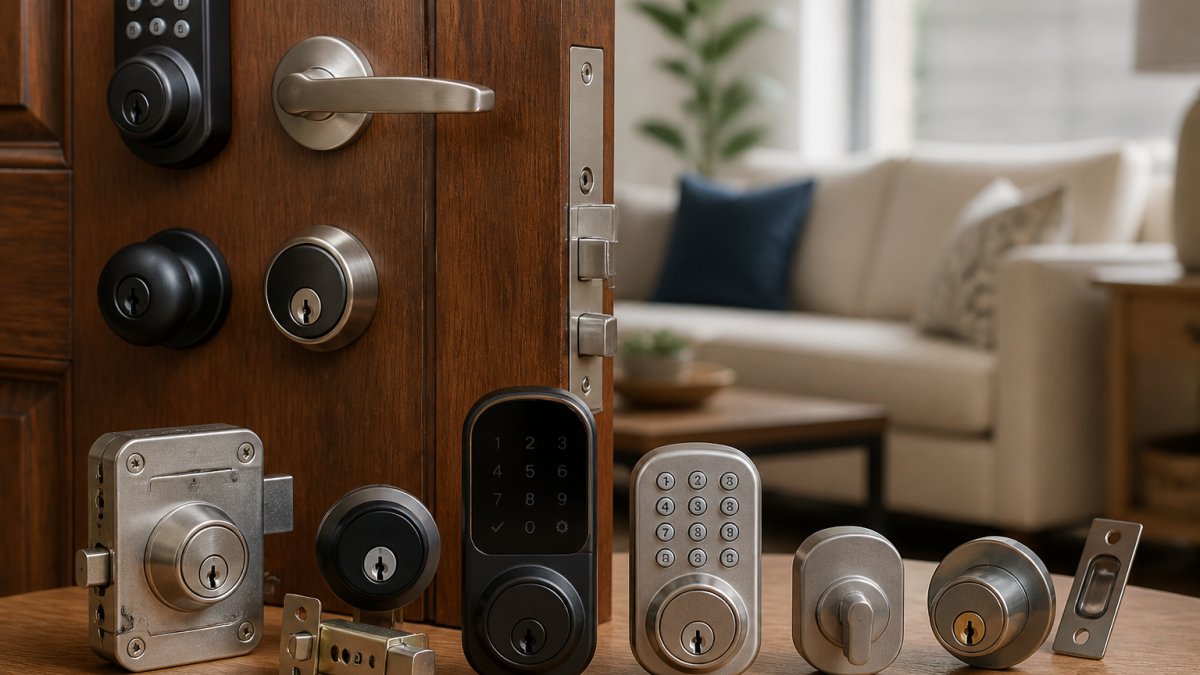
High-security locks differ from standard big-box hardware by engineering, not marketing. High-security locks resist picking, bumping, drilling, and forced entry through sophisticated internal mechanisms, restricted keyways, and superior materials.
Three factors separate them: attack resistance built into the physical design, key control that prevents unauthorized duplication, and materials that withstand destructive attempts.
Attack Resistance and Lock Construction
Attack resistance separates a lock that deters casual attempts from one that withstands determined assault across multiple vectors at once.
The cylinder contains security pins with shoulders, serrated edges, or hardened inserts that catch on the plug when lifted incorrectly, unlike standard pins an experienced picker defeats in seconds.
The lock body must also resist drilling and destruction. Hardened steel cylinders, reinforced plugs, and anti-drill plates add durability, while the shackle or bolt must be thick enough that cutting tools cannot sever it quickly. Plaza Lock's locksmiths evaluate these details.
Key Control and Restricted Keyways
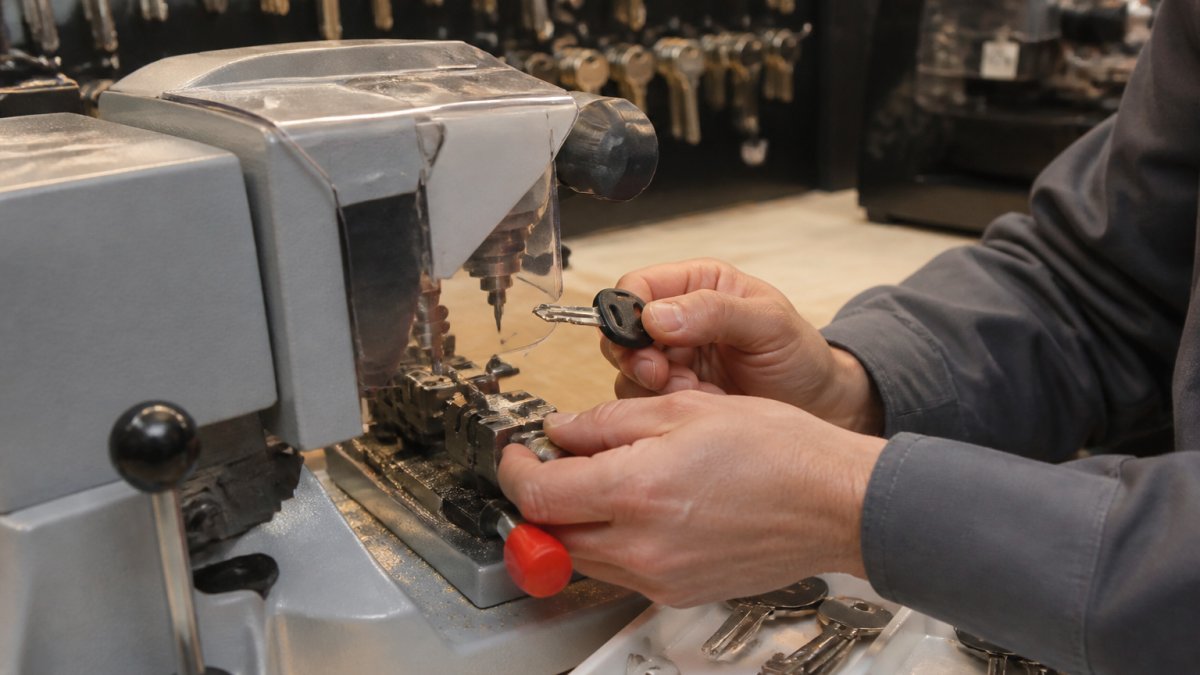
Key control separates professional security from consumer-grade locks. Blank keys cannot be purchased at any hardware store; only authorized blanks are available through specific channels, often directly from the manufacturer or registered locksmiths.
Even if a blank is obtained, the restricted keyway shape stops it from fitting, creating a genuine barrier to unauthorized duplication.
When you purchase a property or move into a rental, rekeying is essential because key control is broken: the previous owner or tenant may hold copies you cannot account for.
Understanding Lock Grades and Security Ratings
The lock industry uses standardized grading systems so buyers can compare products objectively, measuring resistance to forced entry, picking, and other attacks under controlled laboratory conditions.
ANSI Grades Explained
ANSI (American National Standards Institute) grades provide a common language for lock performance: Grade 1 is highest security, Grade 3 lowest, determined through rigorous testing protocols.
A Grade 1 lock must withstand specific force thresholds, resist picking for a defined period, and survive drilling without compromising core security features. Grade 2 locks have lower thresholds and may fail faster under sustained skilled attempts.
Testing covers forced-entry resistance (lateral force), manipulation resistance (time to pick under standardized conditions), and drilling resistance (whether the lock remains functional after a drill bit penetrates).
Grade 1 Residential Deadbolt Lock Grades
For residential properties, a Grade 1 deadbolt represents the highest level of consumer-accessible security, designed for doors facing genuine threats: a high-turnover rental, a home in a high-crime area, or an owner who refuses to compromise.
Grade 1 deadbolts typically feature security pins, restricted keyways, hardened steel construction, and anti-drill protection.
When evaluating residential deadbolt lock grades, check the manufacturer's specifications for ANSI certification. Not all locks claiming to be "high-security" meet Grade 1 standards; some use marketing language without third-party testing.
Pick-Resistant Locks and Bumping Protection
Picking and bumping are distinct attack methods that exploit mechanical vulnerabilities in standard locks. Pick-resistant locks address both through different design strategies.
Security Pins and Anti-Manipulation Design
Security pins are the foundation of pick resistance. A standard cylindrical pin reaches a false set when lifted, appearing correctly positioned, and an experienced picker exploits this to open the lock.
Security pins break this vulnerability through shape and material.
Anti-manipulation design goes beyond pins: hardened plugs resist drilling, reinforced housings prevent cylinder removal, and anti-rotation collars stop someone from spinning the plug after partial manipulation.
Anti-Bump Technology
Bumping uses a specially cut "bump key" to strike pins upward, momentarily allowing the lock to turn.
Anti-bump technology tightens tolerances and adds features preventing pins from reaching the shear line when struck. Some locks use pins with hardened inserts that absorb impact without moving; others use springs with specific tension profiles.
Testing for anti-bump resistance is now standard practice. Locks marketed as high-security should be tested and documented to resist bump attacks.
Drill-Resistant Door Locks and Destructive Attack Prevention
Destructive attacks, drilling, cutting, prying, represent a different threat category than manipulation attacks. A lock that resists picking may still fall to a drill bit if the internal construction doesn't account for this threat.
Hardened Steel and Reinforced Construction
Drill resistance begins with material selection. A standard steel cylinder can be drilled through in seconds with the right bit.
An anti-drill plate is a hardened steel component positioned directly in the path of a typical drill bit, causing the bit to break or bounce off.
The plug, the rotating part of the cylinder, must also be reinforced. A standard plug can be drilled through to destroy the pin chamber, making forced entry possible.
Protection Against Forced Entry and Breaching
Forced entry attempts often target the lock's connection to the door and frame rather than the mechanism itself.
Whole-door security, integrating the lock with the door, frame, and hardware, determines actual forced-entry resistance. Long screws (at least 3 inches) connecting the strike plate to the frame's solid wood prevent the door from being kicked in even if the lock is defeated.
At Plaza Lock, we evaluate the entire door assembly when recommending locks. Professional installation ensures the lock, strike plate, frame, and door work together as an integrated system.
Rekeying House Locks After Purchase or Tenant Turnover
Rekeying is one of the most practical security decisions a property owner makes, yet it's often overlooked. When you purchase a home or take over a rental, you don't know how many keys the previous owner or tenant distributed. Rekeying changes the internal pin configuration so all previous keys become useless.
When to Rekey vs. Replace
Rekeying is cost-effective when the existing lock is in good condition and meets your security needs. The locksmith removes the cylinder, changes the internal pins, and reinstalls it.
Replacement is necessary when the existing lock is damaged, doesn't meet your security standards, or uses a keyway you want to change.
The decision often comes down to cost and timeline. Rekeying is faster and less expensive; replacement takes longer but lets you upgrade.
Master Key Systems for Rental and Commercial Properties
Master key systems allow multiple different keys to open the same lock, with a master key that opens all locks in the system.
A master key system adds extra pins to the cylinder that respond to both the individual key and the master key.
Designing a master key system requires expertise, since poorly designed systems can let one tenant's key accidentally open another's unit. Professional locksmiths like those at Plaza Lock design systems that maintain security while providing operational benefits.
Whole-Door Security: Installation, Frames, and Hardware
A high-security lock fails if installed into a weak door frame or connected with short screws that pull out under force. Whole-door security means evaluating and reinforcing the entire assembly: lock, door, frame, and hardware.

Strike Plate and Frame Reinforcement
The strike plate is the metal bracket on the door frame that receives the bolt. A standard strike plate is held by two short screws (typically 3/4 inch) gripping only the frame's surface.
A reinforced strike plate uses long screws, at least 3 inches, penetrating deep into the frame's structural wood. Some wrap around the frame's edge to distribute force across a larger area. The plate itself should be thick steel, not thin stamped metal.
The door frame itself must be solid wood or metal, not hollow.
Professional Installation and Compatibility
Installation quality directly determines lock performance. A misaligned bolt that doesn't fully extend into the strike plate provides minimal security, and a bolt that binds or requires excessive force may not fully engage under certain conditions.
Professional installation ensures proper alignment, correct screw placement, and smooth operation through the full range. Plaza Lock's installation services include assessing the door and frame for needed reinforcement.
Compatibility matters too: not every high-security lock fits every door. Some require specific backset distances (from the door's edge to the lock's center) or mounting requirements.
Selecting the Right Lock for Your Use Case
Choosing a high-security lock means matching its capabilities to your actual security needs. Overkill wastes money; insufficient protection leaves you vulnerable. The right approach is honest threat assessment.
Residential vs. Commercial Security Needs
Residential properties face different threats than commercial ones. A home burglary typically involves someone minimizing time and noise, while a commercial property might face organized theft, employee theft, or vandalism. Hospitals and schools face additional access control and liability concerns.
For residential properties, a Grade 1 deadbolt with a restricted keyway and security pins typically provides adequate protection against someone trying to force entry quickly.
Rental properties occupy a middle ground, with threats including tenant turnover and unknown numbers of key copies in circulation.
Threat Assessment and Budget Considerations
Begin threat assessment with specific questions: What is the property's location and crime rate? What is stored inside?
A low-crime property with minimal assets and stable occupants needs less security than a commercial property in a high-crime area with expensive inventory and frequent turnover.
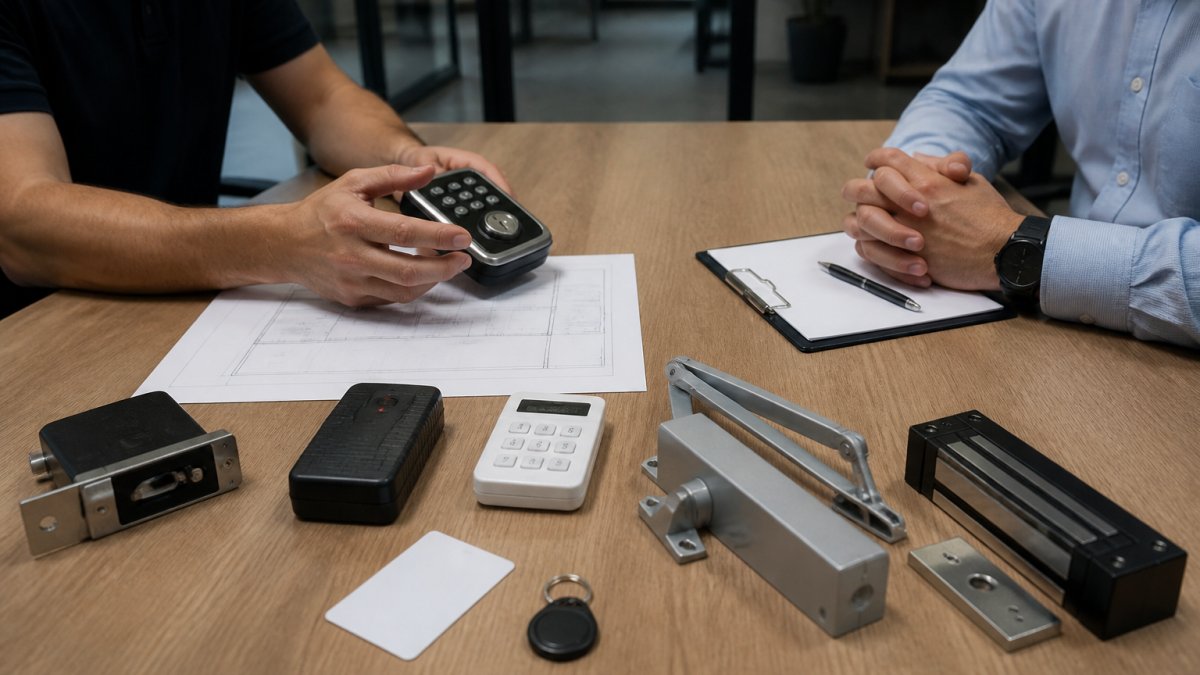
Professional security assessments like those from Plaza Lock identify your actual risk level and recommend locks and systems that address it.
Choosing a high-security lock is ultimately about understanding what you're protecting and what threats you face.
Frequently Asked Questions
What makes a door lock high-security?
High-security locks combine multiple resistance features: security pins that prevent picking, hardened steel components that resist drilling, anti-bump technology, and restricted keyways that limit unauthorized key duplication. They also use stronger lock cylinders and reinforced construction to withstand forced entry and manipulation attacks. Grade 1 locks meet the highest ANSI standards for residential and commercial use.
Are high-security locks worth it for a home?
High-security locks provide measurable protection against the most common attack methods: picking, bumping, drilling, and forced entry. For homeowners concerned about break-ins, they offer better durability and resistance than standard locks. The investment is especially worthwhile if you've recently purchased a home where previous key holders exist, or if your neighborhood has higher property crime rates. Professional rekeying after purchase is equally important.
What is the difference between a standard deadbolt and a high-security deadbolt?
Standard deadbolts use simple pin stacks vulnerable to picking and bumping in minutes. High-security deadbolts feature security pins with irregular shapes, reinforced cylinders resistant to drilling, anti-bump technology, and restricted keyways. Standard locks typically meet Grade 3 standards; residential deadbolt lock grades at Grade 1 offer significantly better resistance to forced entry and manipulation. High-security models also provide superior key control to prevent unauthorized duplication.
Should I replace or rekey my locks after moving into a new home?
Rekeying is the practical choice for most homeowners. It costs less than replacement and allows you to maintain existing hardware while creating new keys only you control. Rekey your locks immediately after purchase since previous owners and contractors may have copies. Replace locks only if they're damaged, outdated, or don't meet your security standards. Many homeowners rekey to high-security locks during purchase to combine cost savings with enhanced security.
How do I know if a lock is resistant to picking or drilling?
Look for ANSI Grade 1 certification, which requires resistance to both picking and drilling. Pick-resistant locks use security pins with complex shapes and mushroom caps. Drill-resistant locks feature hardened steel cylinders and anti-drill barriers. Check manufacturer specifications for anti-bump technology and security pin descriptions. Professional locksmiths can assess your current locks and recommend upgrades. Ask about independent testing results and certifications when comparing options.
Can a high-security lock be rekeyed?
Yes, high-security locks can be rekeyed by a qualified locksmith. Rekeying changes the internal pin configuration so old keys no longer work, but the lock body remains in place. This is especially useful for rental properties, commercial buildings with staff turnover, or after purchasing a home. Professional rekeying preserves your lock's security features while giving you complete key control. Some master key systems allow rekeying without replacing the entire lock mechanism.
What lock grade is best for a residential door?
ANSI Grade 1 is the highest standard and best choice for residential doors. Grade 1 locks withstand 10 times more force than Grade 3 and meet strict picking, drilling, and forced-entry resistance standards. For rental properties or commercial buildings, Grade 1 ensures durability through frequent use and staff changes. Grade 2 offers a middle option for lower-risk applications, but Grade 1 provides the security investment that protects your property for decades.
Get A Free Estimate
Comments