


How to Book Professional Lock Rekeying Service
Table of Contents
What Is Lock Rekeying and Why You Need Professional Service
When to Rekey Your Locks
Rekey vs Replace Locks: Which Option Makes Sense
How Long Does It Take to Rekey a Lock
Cost to Rekey House Locks and What Affects Pricing
Step-by-Step: How to Book Your Rekeying Service
Step 1: Assess Your Security Needs
Step 2: Request a Free Estimate
Step 3: Schedule Your Appointment
Step 4: Prepare Your Property
Step 5: Verify the Work and Maintain Your New Keys
Residential vs. Commercial Rekeying Services
Security Assessment Checklist Before You Book
Frequently Asked Questions
Last Updated: October 2, 2026
What Is Lock Rekeying and Why You Need Professional Service
Lock rekeying changes the internal pins inside a lock cylinder to work with a new key while keeping the existing hardware in place. Your deadbolt, handle, or commercial access control system continues to function exactly as before, but with fresh key control.
When you move into a new home or take over a commercial property, you don't know who has copies of existing keys. Previous owners, tenants, contractors, or service people may still have access. Rekeying eliminates that risk immediately and costs less than replacing locks entirely.
At Plaza Lock, we've spent over 30 years helping residential and commercial clients regain control of their properties through professional rekeying services. Rekeying is the practical solution that restores your peace of mind.
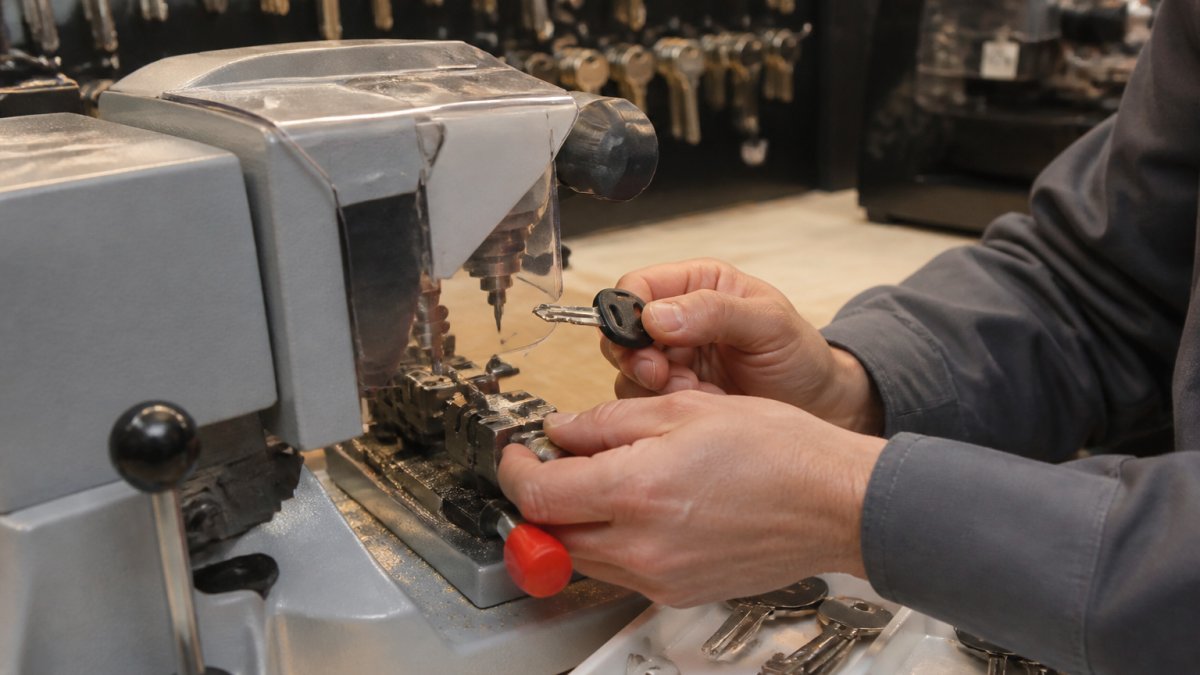
A lock rekeying service requires removing the lock cylinder, extracting old pins, and installing new security pins configured to match your new key. This precision work requires specialized locksmith tools and knowledge, ensuring the job is done correctly the first time.
When to Rekey Your Locks
Rekey your locks whenever someone who shouldn't have access might possess a key. The most obvious scenario is purchasing a new home or moving into a rental property, where you don't know how many key copies the previous owner distributed.
Other situations include: after a break-in, when an employee or tenant leaves, following a lost or stolen key, after a property management change, or during a security upgrade to prevent mixed security standards.
Don't wait until you suspect a problem. If you've just acquired a property and can't verify the chain of custody for all keys, rekey immediately. The cost to rekey house locks is far less than the cost of a break-in or theft.
Rekey vs Replace Locks: Which Option Makes Sense
The choice between rekeying and replacing locks depends on hardware condition, security needs, and budget.
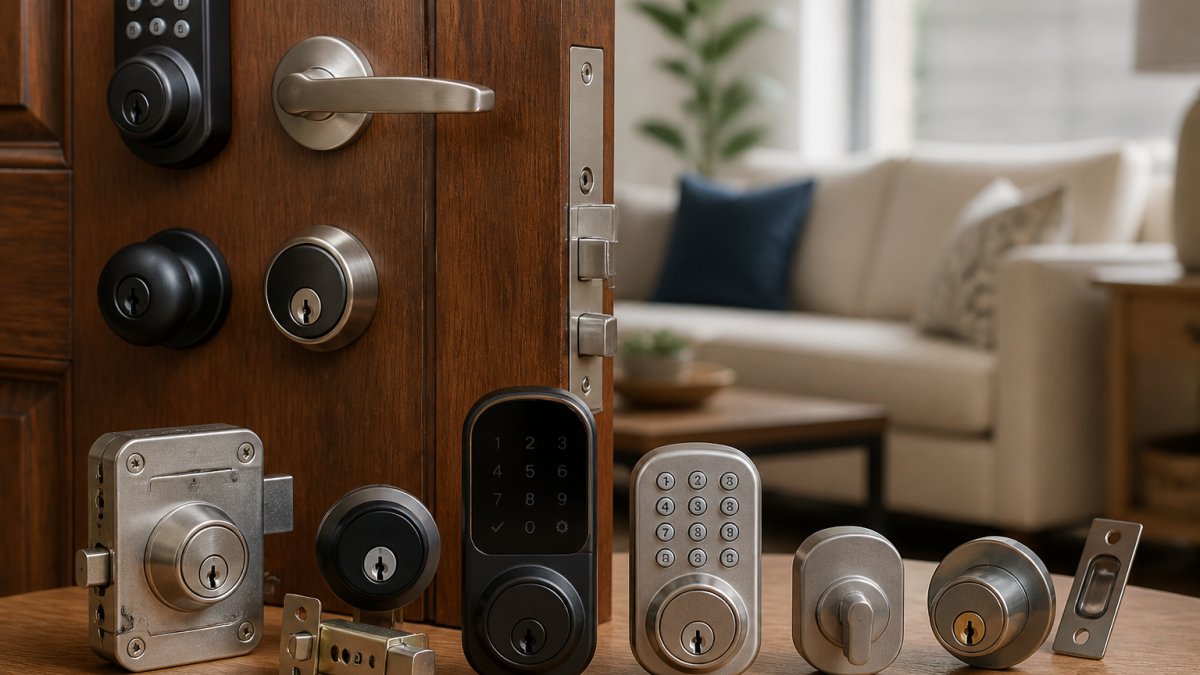
Rekeying keeps your existing lock hardware and changes only the internal pins. This works well if your locks are in good condition and you simply need to change who has access, especially when multiple locks need to work with the same master key system.
Replacing locks means removing the old hardware entirely and installing new locks with updated security features. Replacement is necessary if your locks are damaged, worn out, or outdated, or if you want to upgrade to high-security locks.
For most property acquisitions, rekeying makes sense first. It's faster, less disruptive, and solves the immediate security problem. However, if existing locks are low-quality, difficult to use, or incompatible with your access control plans, replacement might be more cost-effective.
Professional locksmiths can assess your locks and recommend the right path. Some situations call for a mix: rekey main entry locks and replace damaged ones.
How Long Does It Take to Rekey a Lock
A professional locksmith typically completes a single lock rekeying in 15 to 30 minutes. Residential deadbolts are usually faster; commercial locks with complex security pins take longer.
For a typical residential property with 5 to 8 locks, expect 2 to 4 hours. A small commercial property with 10 to 15 locks might take 4 to 6 hours. Timeline depends on:
Number of locks (each adds 15 to 30 minutes)
Lock complexity (high-security locks take longer)
Access difficulty (hard-to-reach or stuck locks slow the process)
Master key system requirements (requires perfect pin alignment across cylinders)
After rekeying, the locksmith tests each lock with the new key to confirm smooth operation and proper security pin placement. This verification step is critical, a lock rekeying service that cuts corners on testing creates security vulnerabilities.
Schedule your appointment when you can be present to verify the work. Most professionals complete residential rekeying in a single visit.
Cost to Rekey House Locks and What Affects Pricing
The cost to rekey house locks varies based on location, number of locks, lock type, and master key system needs.
Factors affecting cost include: number of locks, lock type and complexity, master key system needs, service call fees, emergency or after-hours service, and travel distance.
Contact Plaza Lock for a free estimate. Our team can assess your situation and provide transparent pricing based on your actual needs.
Don't assume the cheapest quote is the best deal. A professional lock rekeying service requires skill and precision. Choose a locksmith with experience, proper licensing, and a reputation for quality work.
Pro Tip Ask the locksmith about keying all your locks to a single master key during the rekeying process. This costs slightly more than individual rekeying but saves money compared to rekeying locks separately later. It also simplifies key management for your household or business.
Step-by-Step: How to Book Your Rekeying Service
Booking a professional lock rekeying service is straightforward when you follow a clear process. Here's how to move from recognizing you need rekeying to having a scheduled appointment with a qualified locksmith.
Step 1: Assess Your Security Needs
Walk through your property and count how many locks require rekeying. Identify critical locks: front door deadbolt, back door, garage entry, and any commercial access points.
Consider whether you want a master key system. If you own multiple properties or manage a commercial building, a master key system lets you use one key to open all locks while maintaining individual keys for specific doors. Mention this when requesting your estimate.
Consider your security priorities: Do you need high-security locks? Are you upgrading from old locks? Do you need access control for employees or tenants? These decisions influence which locks you rekey versus replace.

Step 2: Request a Free Estimate
Request a free estimate from a professional locksmith. Provide: number of locks, property type (residential or commercial), and special requirements like master key systems or high-security specifications.
A reputable locksmith will ask whether you've just purchased the property, suspect a security breach, and your timeline.
Step 3: Schedule Your Appointment
Schedule your appointment at a convenient time. Be present during rekeying to verify the work and receive your new keys.
Step 4: Prepare Your Property
Unlock doors that need rekeying and clear the area around locks so the technician has room to work safely.
Step 5: Verify the Work and Maintain Your New Keys
Test each lock with your new key. The key should turn smoothly without excessive resistance or grinding sounds, and the lock should engage cleanly.
Watch Out Never hide a spare key under a doormat, flowerpot, or other obvious location. If someone gains access to your property, a hidden spare key becomes a security liability. Use a secure key storage method or give spares to trusted people only.
Residential vs. Commercial Rekeying Services
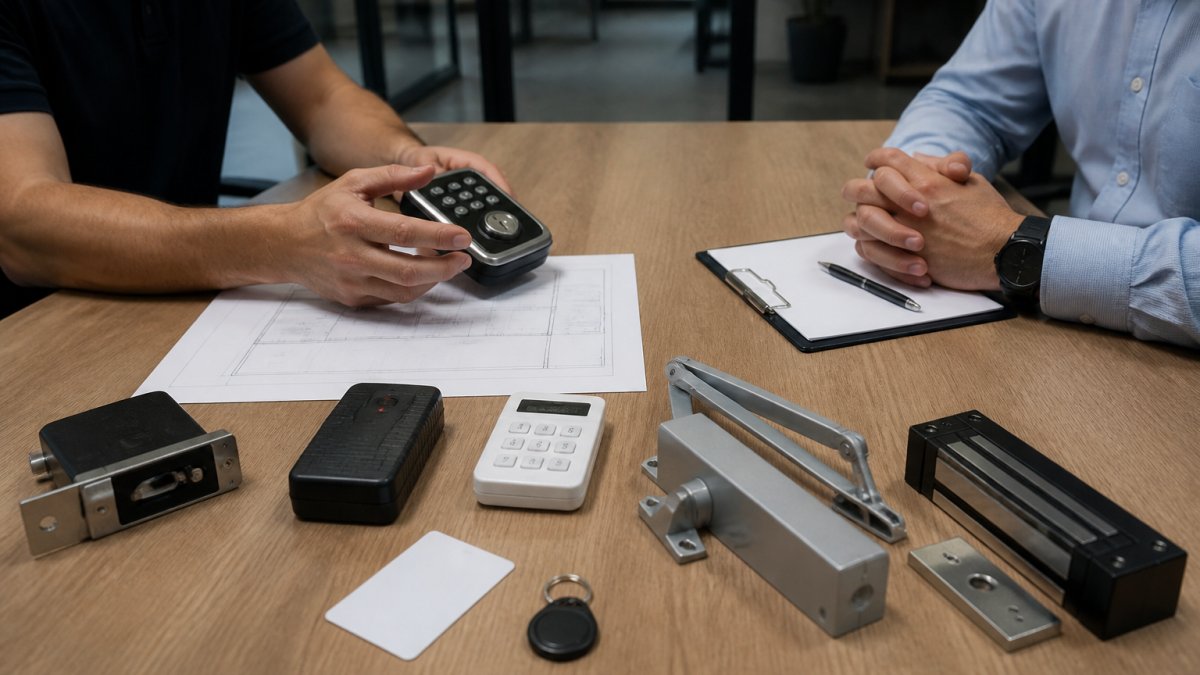
Residential and commercial rekeying services follow the same basic process, changing internal lock pins to match a new key, but they differ in scope, complexity, and security requirements.
Security Assessment Checklist Before You Book
Before you contact a locksmith, use this checklist to evaluate your current security situation and determine exactly what rekeying work you need.
Assessment Area | Questions to Answer | Action if Yes |
Key Control | Do you know everyone who has copies of your current keys? | Schedule rekeying immediately |
Property Acquisition | Did you just purchase or move into this property? | Rekey all entry locks within the first week |
Previous Occupants | Have previous owners, tenants, or contractors had access? | Rekey all locks they could have accessed |
Lost or Stolen Keys | Have you lost a key or had one stolen? | Rekey that lock and any locks using the same key |
Security Breach | Have you experienced a break-in or unauthorized entry? | Rekey all locks and consider upgrading to high-security models |
Lock Condition | Are any locks damaged, stuck, or difficult to operate? | Consider replacement instead of rekeying |
Master Key Needs | Do you need one key to open multiple locks? | Discuss master key system during estimate |
Access Control | Do employees or tenants need different access levels? | Plan access control strategy before rekeying |
High-Security Requirements | Do you need locks resistant to picking or manipulation? | Upgrade to high-security locks during rekeying |
Key Takeaway The best time to rekey your locks is immediately after acquiring a property or discovering a security concern. Waiting creates unnecessary risk. A professional lock rekeying service takes just a few hours and costs far less than dealing with a break-in or theft.
Frequently Asked Questions
How much should it cost to rekey a lock?
The cost to rekey house locks varies based on the number of locks, lock type, and complexity. Factors like high-security locks or master key systems affect pricing. For current pricing and a customized quote for your specific needs, contact Plaza Lock directly for a free estimate. Our experienced technicians will assess your property and provide transparent pricing based on your actual requirements.
Is it cheaper to replace locks or rekey them?
Rekeying is generally more cost-effective than replacing entire locks when your existing hardware is in good condition. Rekeying involves re-pinning the lock cylinder to work with new keys, preserving your current deadbolts and hardware. Replacement makes sense only if locks are damaged, worn, or you're upgrading to high-security systems. A professional locksmith can assess your locks and recommend the most economical solution for your situation.
How long does it take for a professional to rekey a lock?
A professional locksmith typically completes rekeying for a single lock in 15-30 minutes. For a full house rekey with multiple locks, expect 1-3 hours depending on the number of locks, their condition, and complexity. Master key systems for commercial properties take longer. When you book your service, the technician will provide a time estimate based on your specific locks and security needs.
Do I need to bring my locks to a shop or can a locksmith come to me?
Professional locksmiths provide on-site service, meaning the technician comes to your home or business to rekey your locks in place. You don't need to remove or transport your locks. This mobile service is more convenient and allows the technician to assess your entire security setup. When you book your lock rekeying service, schedule an appointment that works with your availability.
Get A Free Estimate
Comments