


High-Security Lock Installation Cost: 2026 Pricing Guide
Table of Contents
What Determines High-Security Lock Installation Cost
Lock Type and Security Grade
Labor and Service Call Fees
Installation Complexity and Door Condition
High-Security Lock Types and Installation Pricing
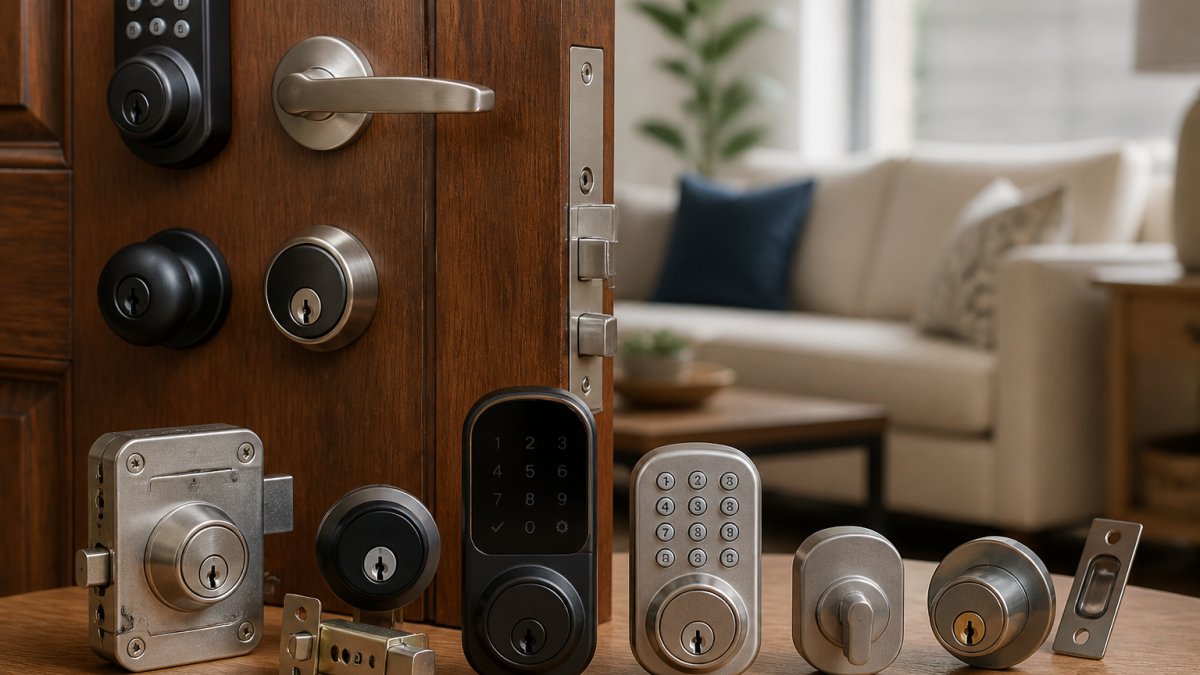
Deadbolts and Mortise Locks
Multipoint Locks and Restricted Keyway Systems
Electronic and Card Reader Access Control
How Long Does It Take to Install a Deadbolt
Benefits of ANSI Grade 1 Locks for Residential Security
How to Rekey House Locks After Buying a Home
Evaluating Locksmith Quotes and Avoiding Hidden Charges
Lock-Only Upgrade Versus Complete Door and Frame Reinforcement
Frequently Asked Questions
Last Updated: October 7, 2026
What Determines High-Security Lock Installation Cost
The cost of installing a high-security lock depends on factors beyond the price of the lock itself. Understanding these drivers helps you evaluate quotes accurately and avoid surprises.
Several variables influence the final bill: lock type and security grade, installation complexity (frame reinforcement, hardware removal, specialized tools), labor rates based on the locksmith's experience and location, service call fees, door condition, and whether you're upgrading just the lock or reinforcing the entire door and frame.
Customers who understand these cost drivers make better decisions, knowing which upgrades deliver real protection and which are unnecessary.
Lock Type and Security Grade
Different lock types command different installation costs. A standard deadbolt is straightforward to install, while a multipoint lock or restricted keyway system requires more expertise and time.
ANSI Grade 1 locks, the highest residential security standard, cost more to install because they demand precise alignment and specialized knowledge. They feature reinforced materials, multiple locking points, and mechanisms designed to resist forced entry, drilling, and picking. The door frame must be perfectly aligned, strike plates properly positioned, and every component must function flawlessly.
High-security locks with restricted keyways add complexity. These systems control who can duplicate keys and often integrate with master key systems, so installation requires understanding keyway specifications and ensuring compatibility with your access control setup.
Electronic locks and card reader systems cost more to install because they demand electrical work, integration with your building's power supply, and sometimes connection to a larger access control system. If your door lacks existing power, that adds significant labor.
Labor and Service Call Fees
Labor represents a substantial portion of high-security lock installation cost. A locksmith's hourly rate reflects their experience, credentials, and local market conditions. Licensed locksmiths with high-security expertise charge more than general handymen but prevent costly mistakes.
Service call fees, the charge just to show up and assess the job, vary widely. Some locksmiths include this in the final bill if you proceed; others charge upfront. Always ask whether the fee is credited toward the installation cost.
The time required depends on lock complexity, door condition, and unexpected issues. A simple deadbolt replacement might take 30 minutes; a multipoint lock installation with frame reinforcement could take 2-3 hours or more.
Installation Complexity and Door Condition
The condition of your door and frame directly affects labor time and cost. A warped, damaged, or misaligned door requires additional work before the lock can be installed. The locksmith may need to adjust the frame, plane the door edge, or reinforce weak spots, extending the job and increasing labor costs.
Doors with existing hardware that needs removal add time. If the previous lock was installed incorrectly or with stripped screws, removal becomes harder. Some doors require partial disassembly or adjustment to fit new hardware.
Material grade matters for durability. Stainless steel or solid brass locks cost more than lower-grade materials but resist corrosion and wear better, especially in high-traffic commercial settings or coastal environments where salt air accelerates degradation.
High-Security Lock Types and Installation Pricing
Understanding the different lock categories helps you match your security needs to your budget.
Deadbolts and Mortise Locks
Deadbolts are the foundation of residential security. A single-cylinder deadbolt (key outside, thumb turn inside) is simpler to install than a double-cylinder model (key required on both sides). Installation involves drilling a hole through the door, inserting the bolt mechanism, and securing the strike plate to the frame.
Mortise locks are built into the door rather than mounted on the surface. They're more secure than surface-mounted deadbolts because the lock body is embedded within the door structure, making them harder to manipulate or damage. Installation is more complex: the locksmith must route out a cavity in the door's edge, fit the lock body precisely, and align the bolt with the strike plate.
ANSI Grade 1 deadbolts meet strict durability standards, resisting picking, bumping, and drilling through hardened materials and complex internal mechanisms. Grade 2 locks are less strong but still solid for residential use; Grade 3 locks offer basic security for apartment complexes or rentals.
Multipoint Locks and Restricted Keyway Systems
Multipoint locks engage at three or more points along the door edge (top, middle, and bottom) rather than just at the deadbolt location. This distributes force across the entire door frame, making forced entry significantly harder. Installation requires precise alignment so all locking points engage smoothly.
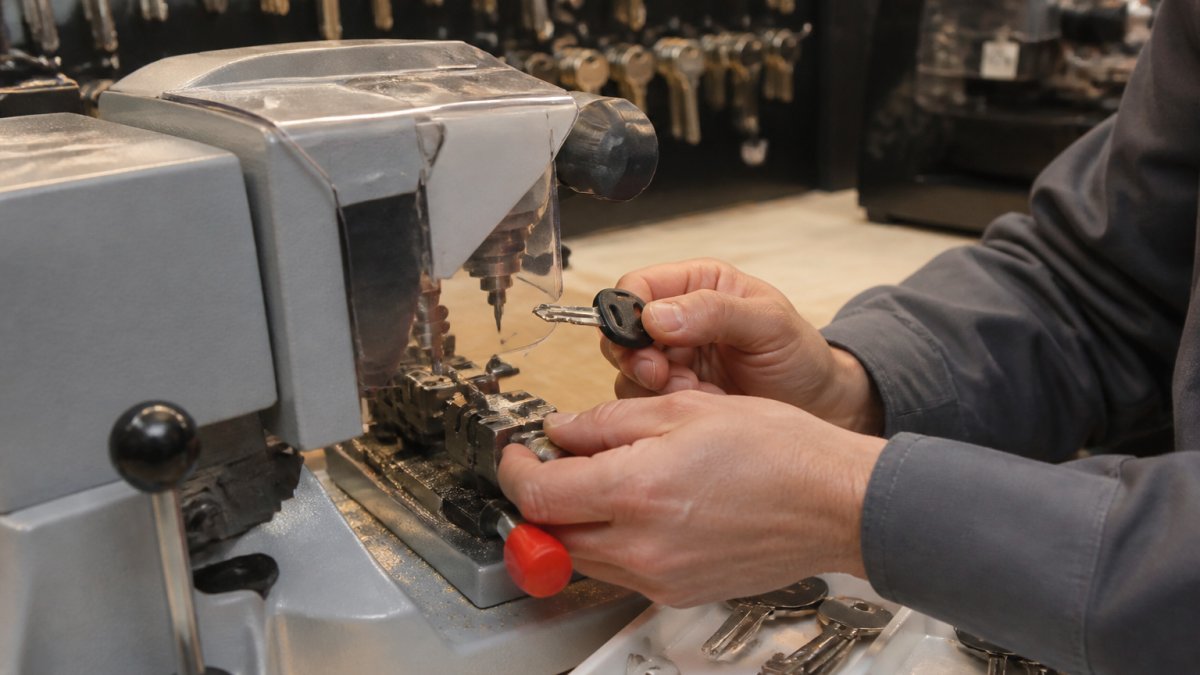
Restricted keyway systems control key duplication: only authorized locksmiths with special equipment can cut keys, preventing unauthorized copying. Installation involves understanding the specific keyway profile and ensuring the lock integrates with any master key system you plan to use.
Keyed-alike locks allow multiple locks to open with the same key, useful for rentals, commercial buildings, or homes with multiple exterior doors. The locksmith must coordinate which locks share a key, sometimes requiring special cylinders or master key pins.
Electronic and Card Reader Access Control
Electronic locks eliminate traditional keys, opening via keypad code, card reader, biometric scanner, or smartphone app. Installation requires running power to the lock, which may involve running wire through the door frame or wall. If the door lacks existing power, this adds substantial cost.
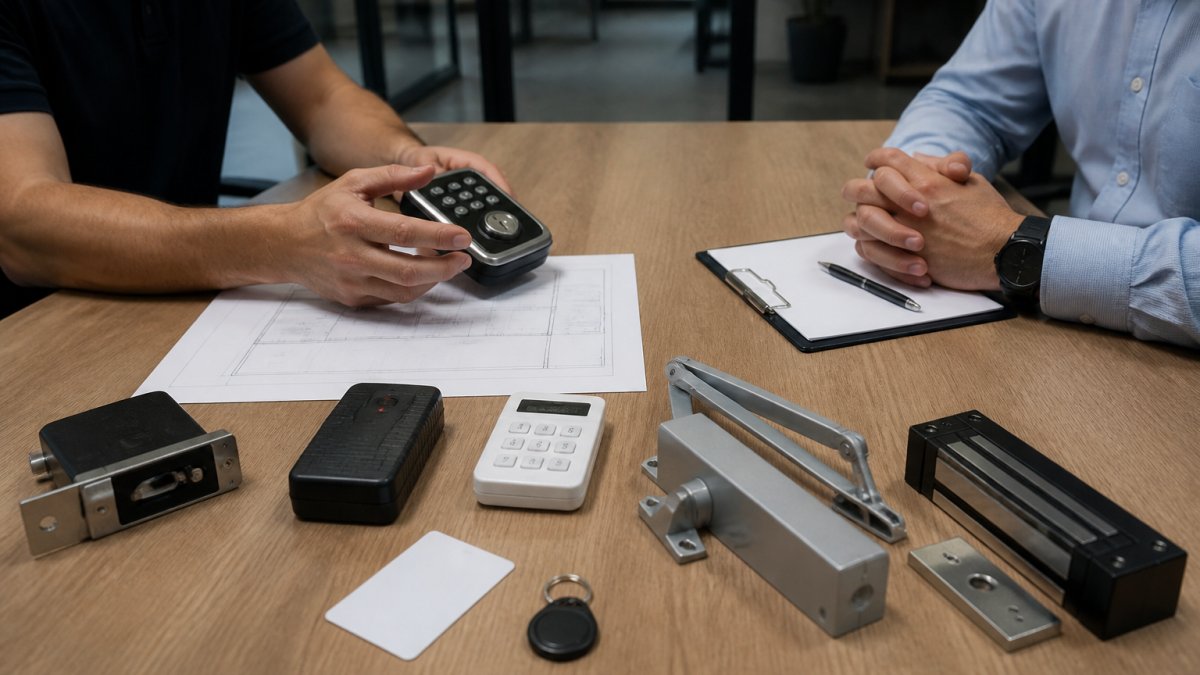
Card reader systems suit commercial properties, offices, and multi-unit residential buildings. Installation includes mounting the reader, running wiring to a control panel, and programming which cards grant access. Integration with an existing access control system adds complexity but provides unified security management.
Magnetic locks are often used in commercial settings. Installed above the door frame, they hold the door closed via magnetic force. Installation requires careful positioning and secure mounting because the holding force is substantial. These systems integrate with buzzer entry systems and access control panels.
How Long Does It Take to Install a Deadbolt
Installing a standard deadbolt typically takes 30 to 60 minutes for an experienced locksmith, depending on whether the door already has a hole for the lock cylinder, the door's condition, and whether the frame requires adjustment.
If the door has no existing hole, the locksmith must drill carefully to avoid splintering. If the frame is misaligned or the door doesn't close properly, alignment work adds 15 to 30 minutes. Removing an old lock and cleaning up adds another 15 minutes.
For high-security deadbolts or mortise locks, expect 1 to 2 hours. The precision required to align the lock mechanism, test bolt engagement, and ensure smooth operation takes longer than a standard installation. If frame reinforcement is needed, add another 30 to 60 minutes.
The locksmith should test the lock multiple times before finishing, ensuring the key turns smoothly, the bolt extends and retracts fully, and the strike plate is properly positioned. Rushing this step leads to problems later.
Benefits of ANSI Grade 1 Locks for Residential Security
ANSI Grade 1 locks represent the highest security standard for residential door hardware. Understanding why they matter helps you make informed decisions about your home's security.
Grade 1 locks are tested to withstand 10 million opening and closing cycles without degradation. The internal mechanisms are hardened steel, resistant to wear and manipulation.
These locks resist common forced entry methods: the bolt is hardened to prevent drilling, the lock body is reinforced against prying, and the cylinder resists picking and bumping.
For residential security, a Grade 1 deadbolt paired with a reinforced strike plate and proper frame alignment creates a formidable barrier. An attacker would need to damage the door itself rather than manipulate the lock, a noisier, more time-consuming approach that deters most break-ins.
The investment in Grade 1 hardware provides genuine peace of mind. When protecting your family and belongings, the best lock you can afford is the one to choose.
How to Rekey House Locks After Buying a Home
Rekeying your locks after purchasing a home is one of the smartest security decisions new homeowners make.

Rekeying changes the internal pin configuration of the lock cylinder so old keys no longer work.
The process is faster and less expensive than replacing locks entirely. If your existing locks are in good condition, rekeying preserves them while giving you complete control over who has keys.
For a typical home, rekeying all exterior door locks takes 1 to 2 hours, covering your front door, back door, garage entry, and any side doors.
Ask the locksmith to provide a few copies of your new key during rekeying. You'll want extras for family members, trusted neighbors, or emergency responders.
After rekeying, test all your keys in all the locks before the locksmith leaves.
Evaluating Locksmith Quotes and Avoiding Hidden Charges
Getting multiple quotes before hiring a locksmith helps you understand fair pricing and spot outliers. Request quotes from at least two or three locksmiths in your area to compare.
Ask the locksmith to break down their quote into components: lock cost, labor cost, service call fee, and any additional charges for frame reinforcement or special hardware.
Watch for hidden charges. Some locksmiths quote a low labor rate but charge extra for travel, door adjustment, frame reinforcement, or rush service.
Verify that the locksmith is licensed. In most states, locksmiths must hold a license and carry bonding and insurance. Ask to see credentials.
Be wary of quotes significantly lower than others. An extremely cheap quote often means cut corners, poor-quality locks, rushed installation, or lack of proper testing.
Ask about warranty. A reputable locksmith stands behind their work, offering a warranty on the lock and installation labor. If something fails within the warranty period, they'll fix it at no charge.
Lock-Only Upgrade Versus Complete Door and Frame Reinforcement
You can upgrade your security in two ways: replace just the lock, or reinforce the entire door assembly including the frame and hinges.
A lock-only upgrade replaces your existing deadbolt with a higher-security model. This is the least expensive option and works well if your door and frame are in good condition.
Complete door and frame reinforcement goes further. The locksmith evaluates the entire assembly: the door, frame, strike plate, hinges, and door jamb. Weak points are reinforced or replaced.
If your door frame is damaged, warped, or misaligned, replacing just the lock won't solve the problem.
Hinges matter too. Weak or exterior-exposed hinges become a target; reinforced or interior-mounted hinges are more secure.
The strike plate, the metal piece on the frame where the bolt enters, must be solid and properly fastened.
For maximum security, combine a high-security lock with frame reinforcement.
Complete reinforcement costs more, but for homeowners in high-crime areas or with valuable assets, it's justified.
Protecting your home starts with understanding what you're buying and why it matters. Whether you need a straightforward deadbolt upgrade or complete door and frame reinforcement, our team combines traditional craftsmanship with knowledge of the latest high-security technologies. Get a free estimate from Plaza Lock and let us show you exactly what your home needs.
Frequently Asked Questions
How much does a professional locksmith charge to install a high-security lock?
High-security lock installation costs vary based on lock type, security grade, and installation complexity. Service call fees typically apply, and per-lock pricing depends on whether you're upgrading one door or multiple entry points. For accurate pricing tailored to your property, request a free estimate from a qualified locksmith who can assess your specific security needs and door condition.
What factors influence the total cost of lock installation?
Installation cost depends on the lock type (deadbolt, mortise, multipoint, or electronic), security grade (ANSI Grade 1 offers superior protection), door alignment and frame condition, labor complexity, and whether rekeying or full replacement is needed. Keyed-alike systems and restricted keyway locks add to material cost. Additional hardware, door reinforcement, and access control integration also affect final pricing.
Are high-security locks worth the extra cost for residential homes?
High-security locks provide measurable protection against forced entry, lock picking, bumping, and drilling, risks that standard locks don't adequately resist. ANSI Grade 1 locks offer superior material quality and locking-point design. For homeowners concerned about security, the upfront cost of high-security locks is offset by reduced vulnerability and long-term peace of mind, especially after property purchase or rental transitions.
Should I install a high-security lock myself or hire a professional?
Professional installation ensures proper door alignment, correct cylinder installation, and secure hardware integration, critical for the lock to function as designed and resist forced entry. Improper installation compromises security. A locksmith can also assess your door frame, recommend reinforcement if needed, and handle complex systems like keyed-alike setups or multipoint locks that require expertise.
Get A Free Estimate
Comments