


Commercial Locksmith for Businesses: Complete Guide
Table of Contents
Why Your Business Needs a Commercial Locksmith
Master Key Systems for Businesses: Simplified Access Management
Business Lock Rekeying: When and How to Secure Your Property
Electronic vs Mechanical Access Control: Which Fits Your Business
Small Office Access Control Systems: Practical Solutions for Growing Businesses
How to Assess Your Business Security Needs
What to Look for in a Commercial Locksmith Provider
Frequently Asked Questions
Last Updated: October 9, 2026
Why Your Business Needs a Commercial Locksmith
Hiring commercial locksmith businesses isn't a luxury, it's a necessity. The difference between a secure property and a vulnerable one often comes down to access control. Whether you're managing a small office, a retail storefront, or a multi-tenant building, the stakes are high. A breach costs time, money, and trust.
Most business owners don't think about security until something goes wrong. A key goes missing. An employee leaves without returning their access card. A competitor gains unauthorized entry. By then, damage is already done. The right commercial locksmith partner prevents these scenarios before they happen.
At Plaza Lock, we've spent over 30 years helping businesses across the region secure their properties. We've learned that every business has unique security challenges. A restaurant's needs differ from a medical office's. A tech startup's access patterns don't match a manufacturing facility's. The one-size-fits-all approach fails. That's why we start with assessment, not assumptions.
This guide walks you through the decisions that matter: master key systems, rekeying strategies, electronic versus mechanical controls, and how to choose a locksmith partner you can actually trust. By the end, you'll know exactly what your business needs and how to get it.
Master Key Systems for Businesses: Simplified Access Management
Master key systems solve a common problem: how do you grant access to some areas while restricting others? A master key system lets authorized personnel access multiple locks with a single key, while other keys open only specific doors. This hierarchy makes sense for growing businesses.
Here's how it works in practice. Your general manager carries a master key that opens the front door, the back office, and the storage room. A barista has a key that opens only the storage area where supplies are kept. A delivery driver has a key that opens the receiving door but nothing else.
The benefit isn't just convenience. It's security. You eliminate the chaos of managing dozens of individual keys. You reduce the risk of lost keys reaching the wrong hands. You can revoke access instantly by changing a single lock rather than replacing every key in circulation.
Master key systems work best when designed before you need them. Adding a master key system to an existing property is possible but requires rekeying multiple locks. Starting fresh with a new space gives you the chance to build security into the layout from day one. Plaza Lock has installed master key systems in offices, retail locations, and multi-unit buildings throughout the region.
One thing to watch: master key systems are only as secure as the master key itself. If the master key is lost or duplicated without authorization, the entire system is compromised. Store master keys in a secure location, limit who holds them, and change the system if a master key goes missing.
Business Lock Rekeying: When and How to Secure Your Property
Business lock rekeying changes which keys open your locks without replacing the locks themselves. This is critical when ownership changes, employees leave, or you want to consolidate access under new keys.
Rekeying typically makes sense in these situations: you've just purchased a property and don't know who has copies of the old keys; an employee with access to sensitive areas has left the company; you're consolidating multiple properties under a single master key system; or you're upgrading security but the existing locks are still mechanically sound.
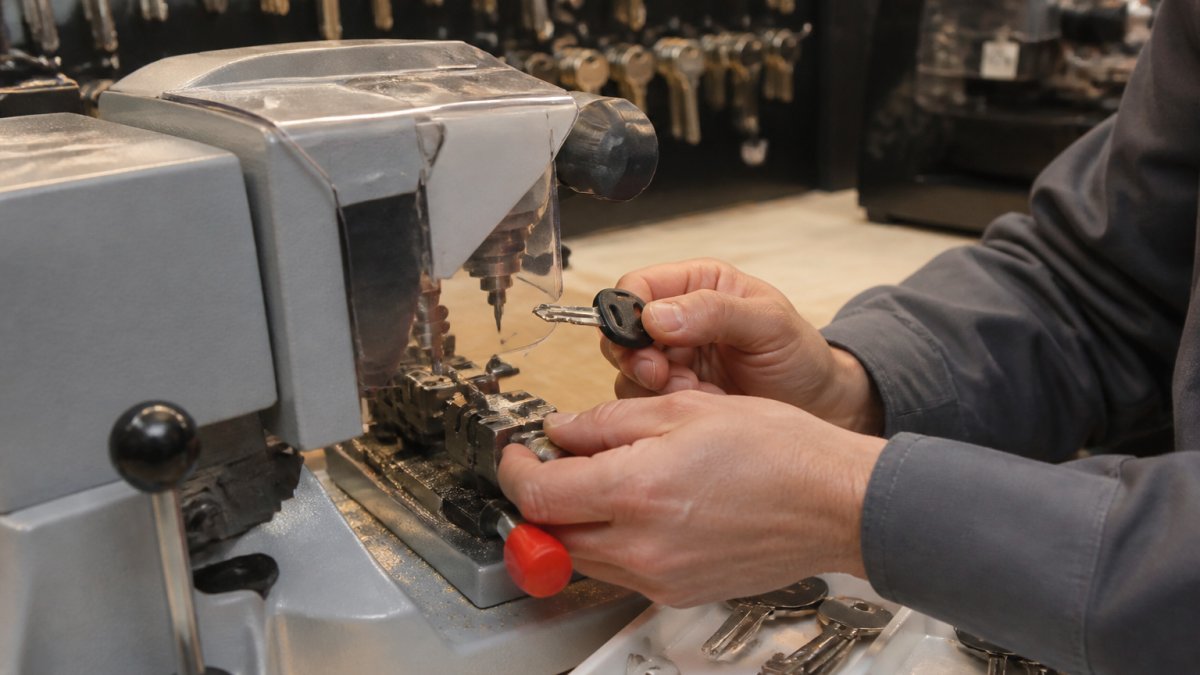
The process is straightforward. A locksmith removes the lock cylinder, replaces the internal pins to match a new key, and reinstalls the cylinder. The lock itself stays in place. This costs significantly less than replacing locks outright, especially when you have dozens of them.
Timing matters. If you wait weeks after an employee's departure to rekey, you're exposed. We recommend rekeying within 24 hours of any staff separation that involved access privileges. For new property purchases, rekey before you move in. You don't know how many copies of the previous owner's keys exist in circulation.
Plaza Lock handles rekeying for small offices and large commercial properties. We can rekey individual locks or entire buildings. If you're implementing a master key system, we rekey all locks to work within that hierarchy at the same time. This prevents the confusion of having some locks on the old system and others on the new one.
Electronic vs Mechanical Access Control: Which Fits Your Business
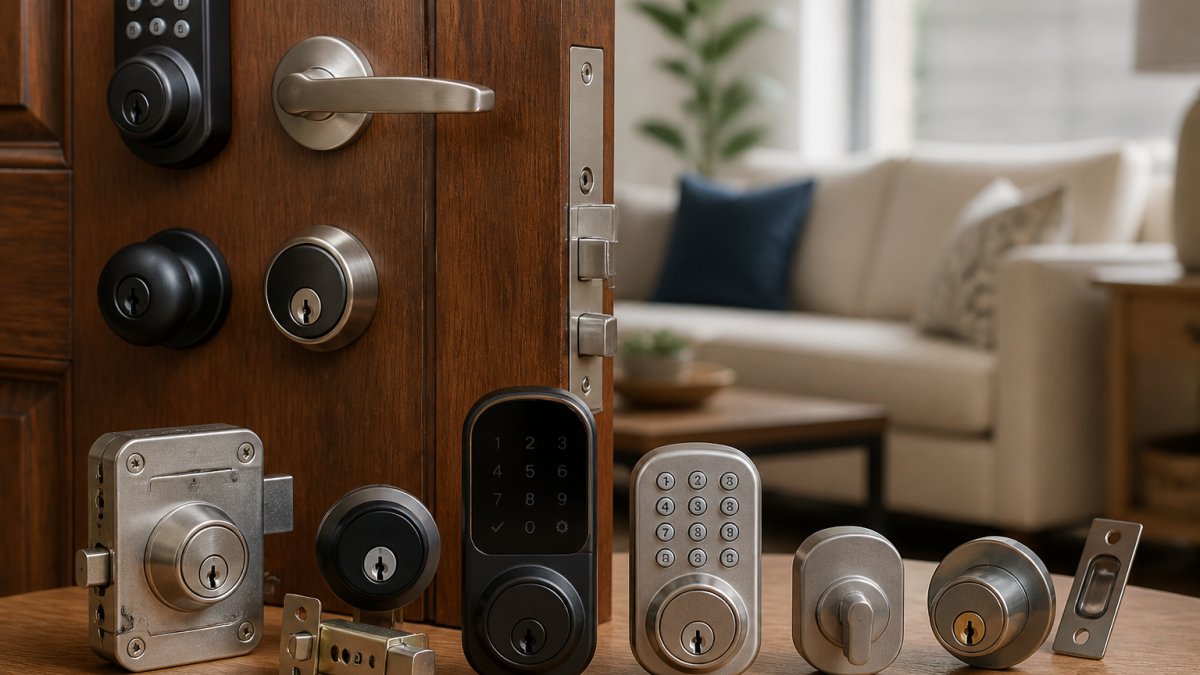
The choice between electronic and mechanical locks isn't simple. Each has real advantages and real limitations.
Mechanical locks are straightforward. A physical key opens a physical lock. No batteries, no software, no network required. They're reliable, impossible to hack remotely, and they work during power outages. For businesses that need basic security without complexity, mechanical locks are often the right choice.
The downside: you can't remotely grant or revoke access. If an employee leaves, you rekey. If a contractor needs temporary access, you cut a new key. You have no audit trail showing who accessed what and when.
Electronic access control systems solve these problems. You grant access via keypad, card, or smartphone app. You can restrict access by time of day. You can see exactly who entered which door and when. You revoke access instantly without rekeying.
The tradeoff: electronic systems need power and network connectivity. A power outage or internet failure can lock you out. They're more expensive upfront. They require ongoing maintenance and software updates. They're targets for cyber attacks if not properly secured.
For most growing businesses, a hybrid approach works best. Electronic access control on main entry points and sensitive areas. Mechanical locks on secondary doors and storage closets. This gives you security where it matters most without overcomplicating the system.
The right choice depends on your business type, your budget, and your risk tolerance. A healthcare facility or financial institution needs electronic tracking for compliance reasons. A small retail shop might be fine with mechanical locks and a good alarm system.
Small Office Access Control Systems: Practical Solutions for Growing Businesses
Small offices have different constraints than enterprise facilities. You need security, but you can't afford enterprise-level complexity or cost. You need a system that scales as you grow.
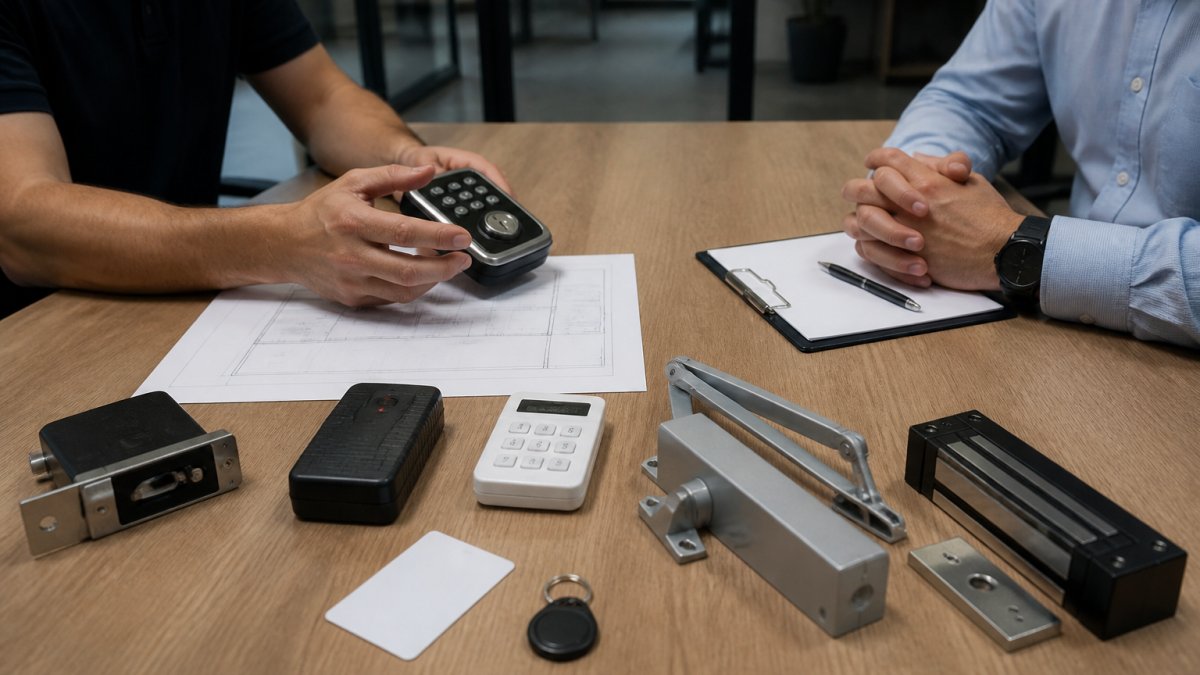
Start with the basics: a single electronic lock on the main entrance with a keypad code. This gives you control without the overhead of a full system. Employees enter a code instead of carrying keys. You change the code when someone leaves. You see a log of who entered and when.
As you grow, add access control to back doors, server rooms, or sensitive storage areas. You don't need to control every door. Focus on points where unauthorized access creates real risk. A reception area doesn't need electronic access. A server room does.
Consider a cloud-based system rather than on-premise hardware. Cloud systems are cheaper to install, easier to manage, and they work if your internet is down (most modern systems have cellular backup). You manage everything through an app on your phone. You don't need an IT person to maintain the system.
Budget matters. A single electronic lock costs between modest investment and higher investment depending on features. A full multi-door system costs significantly more. Start small, add as needed. Most growing businesses don't need everything at once.
Plaza Lock installs access control systems sized for small offices. We help you choose the right balance between security and simplicity. We handle installation, testing, and training. We're available for maintenance and updates as your business grows.
How to Assess Your Business Security Needs
Before you call a locksmith, assess what you actually need to protect. This prevents overspending on security you don't need while missing gaps that matter.
Start with a simple audit. Walk through your property and identify all entry and exit points. Front door, back door, loading dock, emergency exits, windows. Which areas contain sensitive information or valuable inventory? Which areas do employees need to access? Which areas should be restricted?
Next, think about access patterns. How many employees do you have? Do they all need access to the entire building, or are there restricted areas? Do contractors or delivery drivers need access? How often do people leave the company? How do you currently manage keys?
Consider your risk profile. Are you in a high-crime area? Do you handle cash, medications, or confidential information? Are you subject to compliance requirements that mandate audit trails? A medical office has different security needs than a software company.
Ask yourself these questions: What would happen if someone unauthorized gained access? What would it cost to replace stolen inventory or deal with a breach?
The answers guide your choices. A small retail shop in a safe neighborhood might need only basic mechanical locks and an alarm. A medical facility needs electronic access control, audit logs, and restricted areas.
Document your findings. Write down the number of doors, the areas that need restrictions, the number of people who need access, and your budget. This information helps a locksmith recommend the right solution instead of overselling you on features you don't need.
What to Look for in a Commercial Locksmith Provider
Choosing the right locksmith partner matters more than most business owners realize. A bad choice costs money, creates security gaps, and leaves you vulnerable.

Start with credentials. A legitimate commercial locksmith holds a state license and carries insurance. In this region, verify that the locksmith is licensed and bonded. Ask for proof.
Experience matters. A locksmith who handles residential work isn't necessarily equipped for commercial systems. Commercial work involves master key systems, electronic access control, high-security locks, and often code compliance.
Response time is critical. Your business can't wait three days for a lockout to be resolved. Ask what their emergency availability is. Do they offer 24-hour service? How quickly can they respond?
Transparency on pricing prevents surprises. A reputable locksmith gives you a quote before starting work. They explain what's included and what costs extra. They don't charge surprise fees.
Expertise in the specific work you need matters. If you need a master key system, ask if they've designed and installed them before.
Check for reviews and reputation. Look at what other businesses say about them. Do they show up on time? Do they do quality work? Do they stand behind their work?
Finally, trust your instinct. The best commercial locksmith businesses listen to your needs, ask clarifying questions, and recommend solutions that match your actual requirements, not the most expensive option.
Securing your business starts with understanding your needs and choosing the right partner. Ready to secure your property with expertise you can trust? Contact Plaza Lock for a free security assessment and let's discuss what your business needs.
Frequently Asked Questions
What services does a commercial locksmith provide?
A commercial locksmith handles lock installation, repair, and replacement for businesses, plus master key system design, access control setup, emergency lockout response, rekeying, and custom security hardware fabrication. They work with high-security locks, electronic access systems, panic hardware, door closers, and gate fabrication. Services scale from small offices to large commercial properties, retail stores, restaurants, schools, and hospitals.
How do I know if my business needs to rekey or replace its locks?
Rekey your locks after employee turnover, when you've lost keys, after a security breach, or when buying a property. Replace locks if they're damaged, worn, or don't meet current security standards. A security assessment from a commercial locksmith can identify whether rekeying or replacement better fits your needs and budget.
What's the difference between electronic and mechanical access control for small offices?
Mechanical locks use physical keys and are reliable, affordable, and simple to maintain. Electronic access control uses keypads, card readers, or biometric systems, offering detailed audit trails, remote access management, and the ability to instantly revoke access without rekeying. Small offices often choose electronic systems for flexibility as staff changes, though costs are higher upfront.
Can a locksmith install a master key system for a small business?
Yes. Master key systems work for businesses of any size. They allow employees to open their assigned doors with individual keys while management uses a master key to open all doors. A commercial locksmith designs the system based on your access hierarchy, property layout, and security requirements, then installs and maintains it.
How do I verify a locksmith's credentials before hiring them?
Confirm they hold a valid state locksmith license and contractor license if required. Ask for references from similar-sized businesses, check how quickly they respond to inquiries, and verify they're insured. Experienced providers should explain their security approach and offer a free assessment. Ask about their experience with your specific lock types or access control needs.
Get A Free Estimate
Comments