


Best High Security Locks 2026: Grades, Standards & Picks
Table of Contents
What Makes a Lock High Security
ANSI Grade 1 Deadbolt Requirements and Standards
Angle Grinder Resistance and Hardened Steel
Anti-Pick and Anti-Drill Technology
Mechanical vs. Smart High Security Locks
Mechanical Locks: Tensile Strength and Physical Security
Smart Locks: Encryption Standards and Cybersecurity
How to Rekey House Locks for Enhanced Security
Top High Security Lock Options for Residential Properties
Deadbolts for Maximum Theft Deterrence
Master Key Systems for Multi-Unit Residential
High Security Locks for Commercial and High-Risk Environments
Installation, Maintenance, and Common Mistakes
Frequently Asked Questions
Last Updated: September 23, 2026
What Makes a Lock High Security
High security locks represent the top tier of physical security hardware, engineered to resist the most common attack methods used by thieves and unauthorized users. Unlike standard residential locks, these systems incorporate advanced materials, complex internal mechanisms, and specialized design features that make them significantly harder to bypass through picking, drilling, or brute force entry.
The distinction between a standard deadbolt and a high security lock comes down to certification standards, material composition, and internal architecture. A high security lock must meet specific testing requirements set by organizations that evaluate physical security hardware. These locks use hardened steel components, anti-drill pins, and keyway designs that resist manipulation.

At Plaza Lock, we've spent over 30 years evaluating and installing security hardware across residential and commercial properties. The difference between adequate security and genuine protection often comes down to understanding what actually makes a lock resistant to common attack methods.
ANSI Grade 1 Deadbolt Requirements and Standards
The American National Standards Institute (ANSI) establishes grades for deadbolts based on how they perform under specific stress tests. ANSI Grade 1 represents the highest residential standard, requiring locks to withstand forced entry attempts that would defeat lower-grade hardware.
Grade 1 deadbolts must pass rigorous testing for resistance to impact, use, and sustained force. The lock cylinder must resist drilling attempts and manipulation with specialized picks. The strike plate and installation hardware must be engineered to prevent the door frame from failing before the lock itself fails.
These standards exist because physical testing reveals how different lock designs perform under real attack conditions. A Grade 1 lock isn't just "stronger" in theory, it's been tested to specific failure points and documented to exceed those thresholds.
Angle Grinder Resistance and Hardened Steel
Angle grinder resistance represents one of the most critical performance metrics for high security locks, particularly in commercial and high-risk residential environments. When a lock is constructed with hardened steel components, the material resists cutting tools that would slice through standard steel in seconds.
Hardened steel achieves its resistance through heat treatment processes that increase tensile strength and material density. This makes the steel brittle and difficult to cut, which forces attackers to abandon mechanical tools and attempt other methods. The shackle diameter, cylinder material, and bolt construction all contribute to overall grinder resistance.
A lock designed for angle grinder resistance typically uses materials rated above 40 Rockwell hardness, which creates a cutting surface that generates extreme friction and heat. This slows cutting attempts and often causes tool failure before the lock fails.
Anti-Pick and Anti-Drill Technology
Anti-pick technology prevents lock manipulation through the keyway using specialized picking tools. High security locks accomplish this through pin stack designs that don't respond to the pressure and feedback that standard locks provide. The pins may include serrated edges, mushroom shapes, or other geometries that prevent a pick from finding the shear line.
Anti-drill pins are hardened inserts placed in vulnerable positions within the lock cylinder. When a drill bit contacts these pins, it either breaks the drill bit or causes the pin to spin without damaging the cylinder. This forces attackers to abandon drilling attempts and try other methods.
The most effective high security locks combine both technologies. A lock that resists drilling but remains vulnerable to picking, or vice versa, still presents a single failure point that determined attackers can exploit.
Mechanical vs. Smart High Security Locks
The choice between mechanical and smart high security locks depends on your specific security goals, property type, and access control requirements. Both approaches can achieve high security ratings, but they address different threat models and operational needs.
Your Next Pick
Mechanical Locks: Tensile Strength and Physical Security
Mechanical locks rely entirely on physical components to provide security. Their strength comes from material quality, internal mechanism complexity, and resistance to destructive entry methods. A mechanical lock has no battery, no wireless connectivity, and no software, it functions through pure mechanical design.
Tensile strength measures how much force a material can withstand before breaking. High security mechanical locks use materials with tensile strength ratings that exceed standard hardware by significant margins. The bolt itself, the cylinder housing, and the strike plate all contribute to the overall mechanical integrity of the system.
Mechanical locks excel when you need absolute reliability without technological dependencies. They work in any weather condition, require no power source, and cannot be compromised through digital attacks. For residential properties, mechanical Grade 1 deadbolts provide proven, long-term security.
Smart Locks: Encryption Standards and Cybersecurity
Smart locks add electronic components that enable remote access, activity logging, and integration with home automation systems. These locks use encryption standards to protect wireless communication between the lock and your smartphone or access control system.
Current smart lock encryption typically uses AES-128 or AES-256 standards, which create mathematical barriers to unauthorized access. The lock communicates securely with your phone through Bluetooth, Wi-Fi, or proprietary wireless protocols. The encryption prevents attackers from intercepting commands or spoofing access credentials.
Smart locks introduce a different security profile than mechanical locks. They're vulnerable to battery failure, wireless interception, and software bugs, but they're immune to picking, drilling, and other physical attack methods. The best approach for many properties combines mechanical Grade 1 deadbolts with optional smart lock features.
How to Rekey House Locks for Enhanced Security
Rekeying changes the internal pin configuration of your locks without replacing the hardware itself. This process is essential when you move into a property, lose keys, or want to consolidate multiple locks under a single master key system.
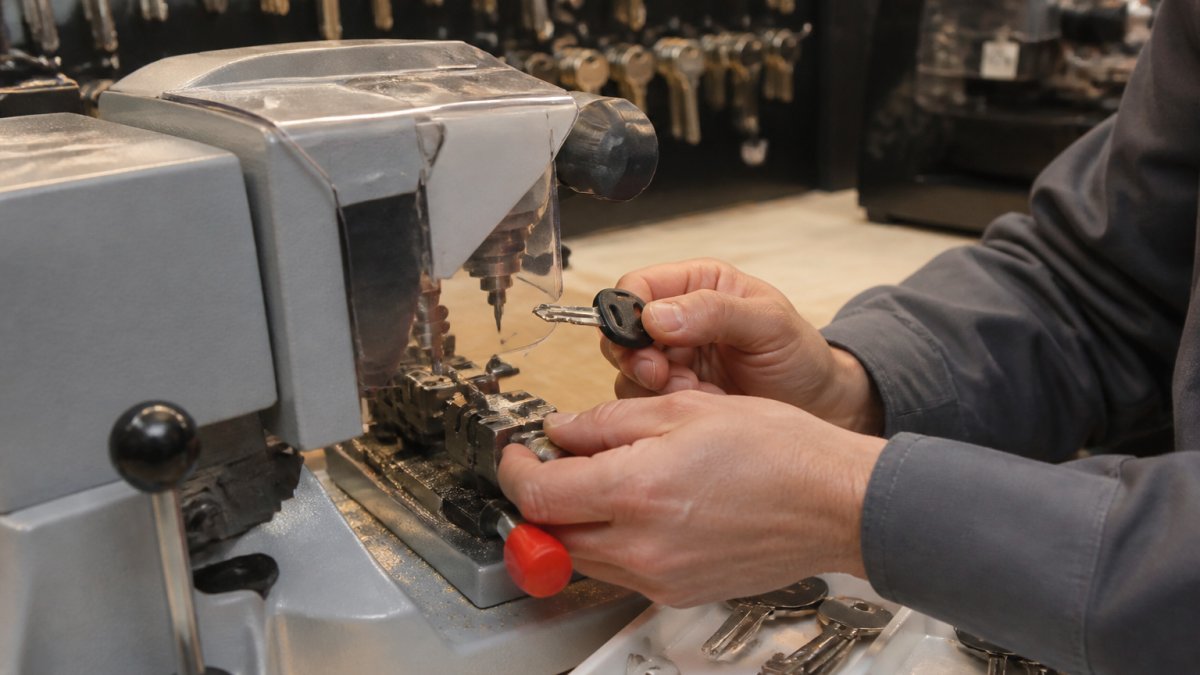
The rekeying process involves removing the cylinder from the lock body, extracting the current pin stack, and installing new pins configured to match your new key. A skilled locksmith completes this work in minutes per lock. The advantage is that you keep your existing hardware while changing who can access it.
Many property owners overlook rekeying after purchasing a home. Previous owners, contractors, and real estate agents may have copies of your keys. Rekeying eliminates this vulnerability immediately. Plaza Lock's team can rekey all your locks to match a single master key, simplifying access management while maintaining security.
Top High Security Lock Options for Residential Properties
Deadbolts for Maximum Theft Deterrence
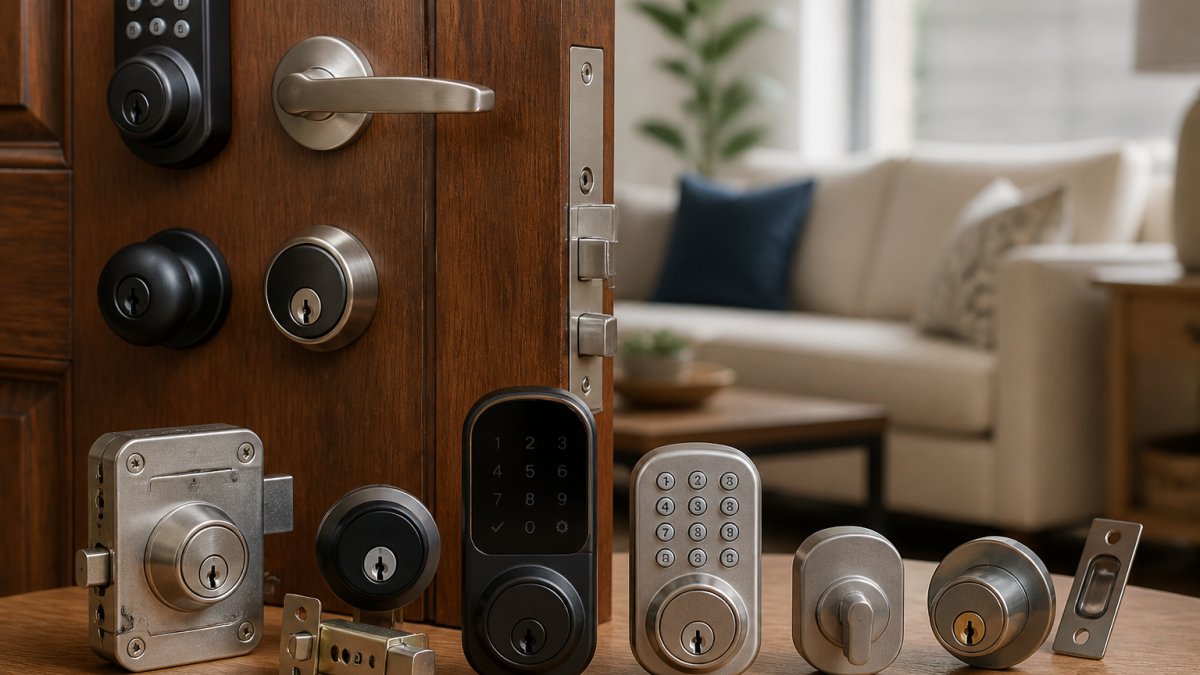
Deadbolts remain the foundation of residential security. A Grade 1 deadbolt with anti-pick and anti-drill features provides maximum theft deterrence when properly installed. The deadbolt extends into the door frame, creating a mechanical barrier that's substantially harder to force than spring latches.
The most effective residential deadbolts use solid brass or steel construction with hardened cylinders. The strike plate should be mounted with long screws that penetrate the door frame studs, not just the surface wood. Many burglaries succeed because the strike plate pulls free when force is applied, proper installation prevents this failure.
Master Key Systems for Multi-Unit Residential
Master key systems allow multiple locks to be opened by different keys while maintaining a hierarchy of access. A master key opens all locks in the system. Individual tenant keys open only their assigned locks. This approach works well for apartment buildings, townhouses, and properties with multiple rental units.
A properly designed master key system requires professional planning and installation. The pin stacks must be configured mathematically so that both the master key and individual keys operate the same cylinder. Poor implementation creates security vulnerabilities, so this work should be handled by experienced locksmiths.
High Security Locks for Commercial and High-Risk Environments
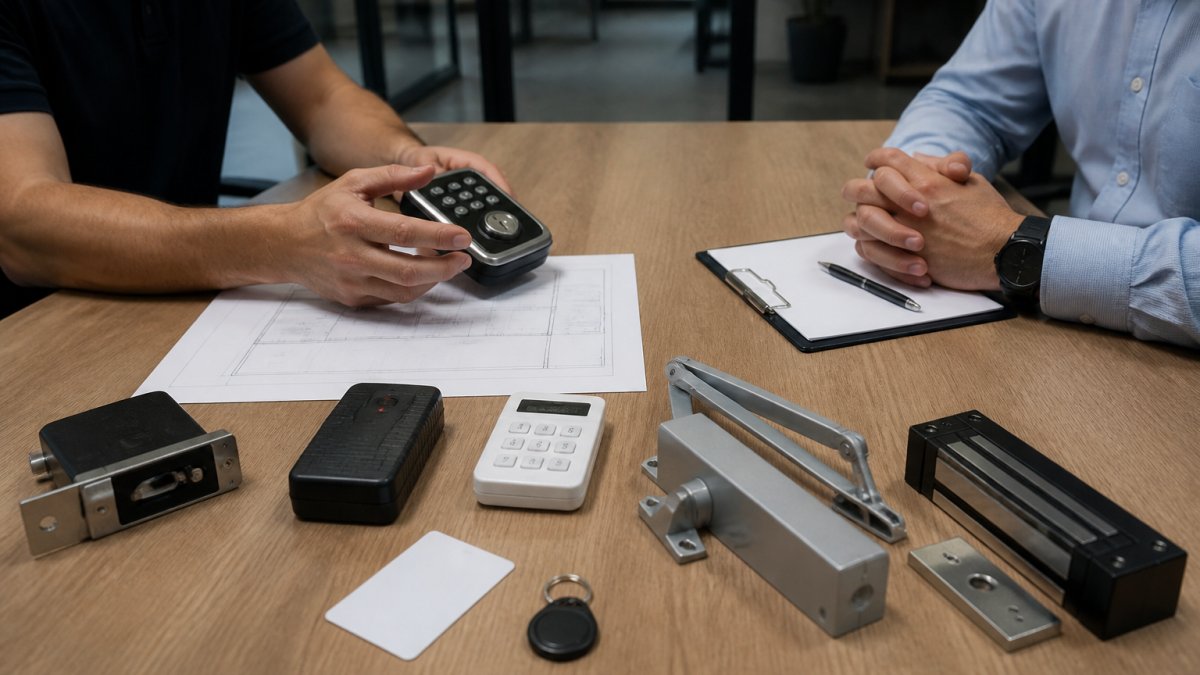
Commercial properties face different threats than residential properties. Employee theft, after-hours burglary, and unauthorized access represent significant risks. High security locks in commercial settings often integrate with access control systems that log who enters and when.
High-risk environments like jewelry stores, pharmacies, and financial institutions use the most advanced locking hardware available. These locks often incorporate multiple security features: hardened steel, anti-drill pins, anti-pick mechanisms, and electronic monitoring. Some use biometric authentication or two-factor authentication requiring both a physical key and a digital credential.
The investment in advanced security hardware pays dividends in reduced theft, lower insurance premiums, and documented compliance with security standards. Commercial property managers should work with security professionals to assess their specific vulnerabilities and select appropriate hardware.
Installation, Maintenance, and Common Mistakes
Improper installation undermines even the best hardware. The most common mistake is installing strike plates with short screws that don't reach the door frame studs. When force is applied, the screws pull free and the door opens despite having a high security lock.
Maintenance is straightforward but essential. Deadbolts should operate smoothly without binding. If you notice resistance, the lock may need cleaning or lubrication. Avoid using graphite powder, it attracts dirt and can eventually jam the mechanism.
Frequently Asked Questions
What is the difference between Grade 1 and Grade 2 deadbolts?
Grade 1 deadbolts meet the highest ANSI standards with superior hardened steel construction, anti-drill and anti-pick protection, and a minimum 1-inch bolt throw. Grade 2 locks have slightly lower tensile strength and less robust cylinder mechanisms. Grade 1 is the standard for high-security applications and provides the strongest theft deterrence for residential and commercial properties.
How do I know if my door lock is high security?
High-security locks have certification markings indicating ANSI Grade 1 compliance, hardened steel components, and anti-drill or anti-pick features. Look for a shackle diameter of at least 5/16 inch, a bolt throw of 1 inch or more, and a reinforced cylinder mechanism. Locks rated for angle grinder resistance and with tamper-evident features are also strong indicators of genuine high-security design.
Are smart locks as secure as traditional deadbolts?
Smart locks and mechanical deadbolts offer different security models. Mechanical locks rely on physical security, hardened steel and cylinder integrity. Smart locks add encryption standards and two-factor authentication but depend on battery life, remote access protocols, and cybersecurity. The most secure approach combines both: a Grade 1 mechanical deadbolt with an integrated smart lock that meets modern encryption standards and includes emergency override capability.
What should I do when rekeying house locks after buying a property?
Rekeying changes the internal pins in your existing locks so previous keys no longer work, giving you sole access without replacing hardware. Have a licensed professional rekey all entry points including front, back, garage, and sliding doors. Consider rekeying to a master key system if you manage multiple properties. Rekeying is more cost-effective than replacement and preserves your existing deadbolts if they already meet Grade 1 standards.
Get A Free Estimate
Comments