


Advanced Lock Technology for Homes: A 2026 Guide
Last Updated: October 23, 2026
Quick Summary
Advanced lock technology for homes authenticates users electronically through biometrics, PIN codes, or smartphones rather than physical keys, giving you visibility into who enters your property, when they enter, and the ability to grant or revoke access instantly. The U.S. residential electronic home locks market was estimated at USD 877.9 million in 2024 and is projected to reach USD 1,918.6 million by 2033.
Smart locks operate through three layers: authentication, communication via Bluetooth or Wi-Fi, and the mechanical bolt mechanism.
Most quality smart locks last 6-12 months on a set of batteries with heavy usage potentially shortening that window.
Biometric locks typically cost 40-60% more than PIN-based alternatives but eliminate the need to remember codes or carry keys.
Smartphone-controlled locks allow you to grant temporary access codes that expire automatically and receive notifications of all door access.
Professional installation ensures proper alignment, reliable power sources, and tested connectivity before relying on the system.
Table of Contents
Understanding Advanced Lock Technology for Homes
The residential security landscape has shifted dramatically over the past five years. What started as a niche market for tech enthusiasts has become mainstream, the U.S. residential electronic home locks market was estimated at USD 877.9 million in 2024 and is projected to reach USD 1,918.6 million by 2033, according to Grand View Research's 2024 market analysis. That growth tells you something important: homeowners are actively choosing advanced lock technology for homes over traditional mechanical locks.
At Plaza Lock, we've worked with hundreds of property owners making this exact transition. The decision isn't just about convenience, it's about control. Advanced lock technology for homes gives you visibility into who enters your property, when they enter, and the ability to grant or revoke access instantly without rekeying. For new homebuyers, rental property owners, and anyone concerned about security, understanding your options matters.
Pro Tip The real advantage of upgrading to advanced lock technology isn't the novelty, it's the audit trail. You can see access logs, share temporary access codes with contractors, and revoke permissions without changing locks. That's something no traditional lock can offer.
How Smart Locks Work: The Technology Behind Modern Security
Smart locks operate through wireless communication protocols that authenticate users before releasing the bolt mechanism. Rather than relying on a physical key matching a cut pattern, smart locks verify identity through multiple methods: biometric data, PIN codes, smartphone credentials, or physical proximity tokens.

The intelligence sits in three layers. The first is the authentication layer, how you prove you're authorized. The second is the communication layer, how the lock receives your credentials, typically through Bluetooth, Wi-Fi, or a proprietary wireless protocol. The third is the mechanical layer, the actual bolt mechanism that opens when authentication succeeds.
Battery life is the practical constraint most homeowners underestimate. Smart locks consume power constantly, maintaining wireless connectivity, powering sensors, and keeping the processor active. Most quality locks last 6-12 months on a set of batteries, though heavy usage can shorten that window.
Key Takeaway Smart locks authenticate your identity electronically rather than mechanically. That shift from "something you have" (a key) to "something you know" or "something you are" (a code, biometric, or smartphone) creates new security possibilities, and new vulnerabilities if the wireless connection is compromised.
Best Smart Locks for Home Security: Types and Features
Advanced lock technology for homes breaks into distinct categories based on authentication method. Each approach has strengths for different use cases. Understanding these types helps you match the technology to your actual security needs rather than buying features you won't use.
Keypad and PIN-Based Locks
PIN-based locks eliminate the need to carry a physical key. You enter a numeric code on the keypad, the lock validates it, and the bolt retracts. This approach works well for rental properties, commercial buildings, and homes where multiple people need access but you can't easily distribute physical keys.
The primary advantage is simplicity. There's no battery in your pocket to die, no smartphone dependency, and no biometric sensor to malfunction. The disadvantage is that PINs can be observed, shared, or guessed. For residential security, PIN locks work best as a secondary entry point or in combination with other authentication methods.
Installation is straightforward, most PIN locks replace your existing deadbolt without structural changes. However, you'll need access to power, either through batteries or wired connections. This is where professional installation becomes valuable; we ensure the power source is reliable and the lock integrates with your existing door frame.
Biometric and Fingerprint Locks
Biometric locks authenticate using fingerprint recognition, facial recognition, or other biological markers. Your unique fingerprint becomes your key. This eliminates the need to remember codes, carry physical keys, or worry about someone observing your PIN entry.
Biometric technology has matured significantly. Modern fingerprint readers work reliably even with dirt, moisture, or minor cuts. The National Association of Realtors' 2026 CES coverage highlighted mortise-style smart locks integrating biometric access alongside cameras and wireless charging, a sign that premium residential locks now bundle multiple authentication methods.
The trade-off is cost and complexity. Biometric locks typically run 40-60% more than PIN-based alternatives. They also require more careful installation to ensure the sensor is positioned correctly and the processor has adequate power. For high-security residential applications or commercial properties where you need to prevent key copying and ensure accountability, biometric locks justify the investment.
Watch Out Biometric locks fail gracefully in theory but poorly in practice. If the fingerprint sensor malfunctions, you typically have a backup PIN code, but that defeats the purpose of biometric security. Always verify the backup authentication method before committing to a biometric system.
Smartphone-Controlled Locks
Smartphone-controlled locks connect via Bluetooth or Wi-Fi, allowing you to unlock your door from anywhere. You receive notifications when the door is accessed, can share temporary access codes with guests, and can revoke permissions instantly without rekeying.
This is the most flexible authentication method for residential use. You're not tied to a physical object or a memorized code. The lock can integrate with your phone's location services, automatically unlocking as you approach home. You can grant a contractor 24-hour access and have it expire automatically.
The vulnerability is dependency. If your phone is stolen, compromised, or loses connectivity, you need a backup method. Most quality smartphone locks include a PIN override or physical key option. Installation requires either Wi-Fi connectivity near your door or Bluetooth range from your phone, which means some homes with thick walls or distance from the router may experience connectivity issues.
Smart Lock Installation: What to Know Before You Upgrade
Installation quality determines whether your advanced lock technology for homes functions reliably for years or becomes a frustration. The physical installation itself is usually straightforward, most smart locks replace standard deadbolts without requiring structural changes. The complexity lies in power, connectivity, and integration.
Power is the first consideration. Battery-powered locks are easiest to install since they don't require wiring. However, you'll need to replace batteries regularly and monitor battery levels to avoid being locked out.
Connectivity matters more than many homeowners realize. Bluetooth locks have limited range, typically 30-50 feet in open space, less through walls. Wi-Fi locks offer better range but require your router to be within reasonable distance.
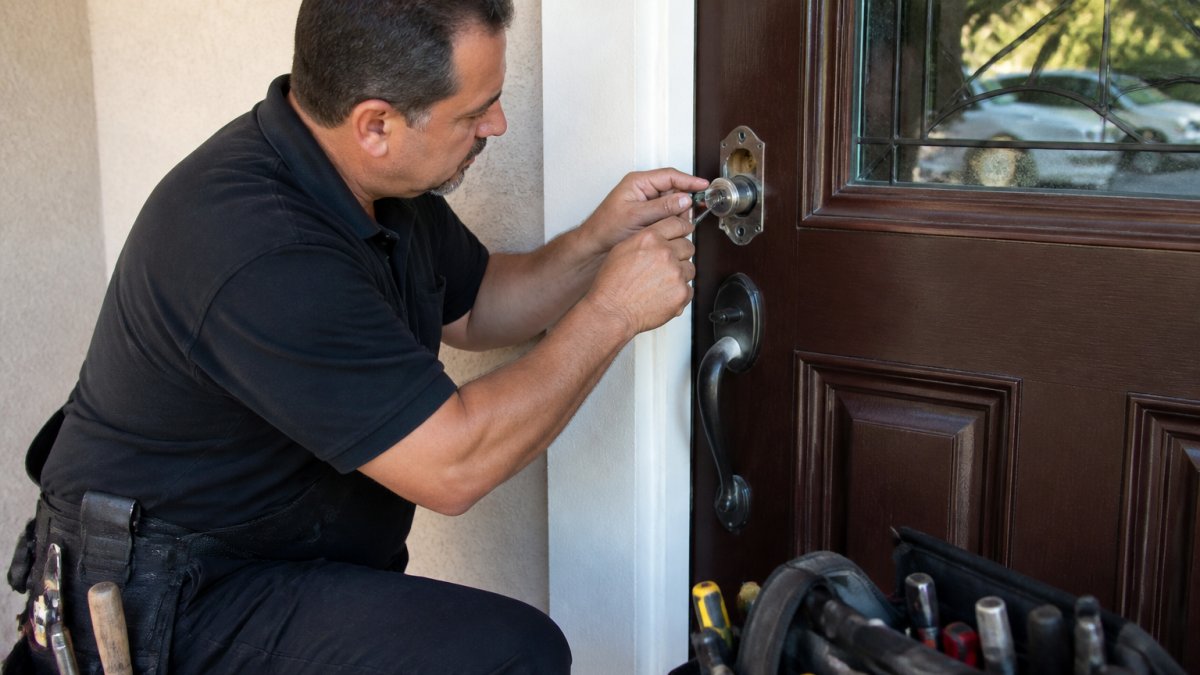
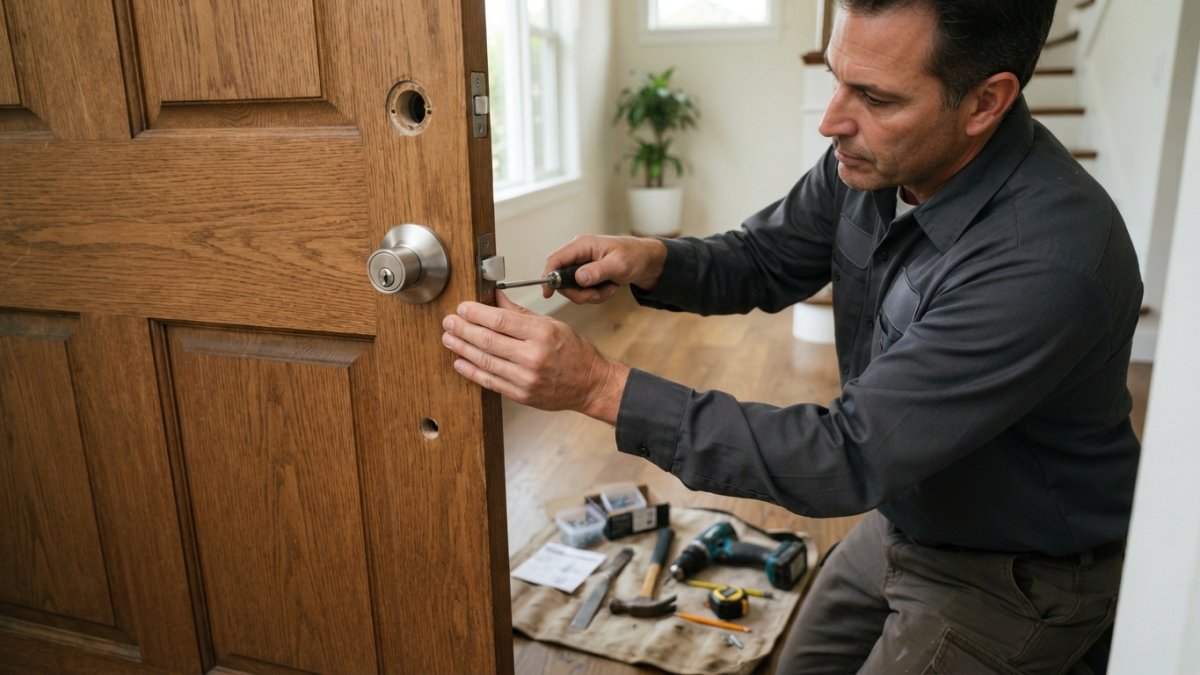
Professional installation ensures the lock is aligned correctly, power sources are reliable, and connectivity is tested before you rely on the system.
Rekey or Replace House Locks: Making the Right Decision
The choice between rekeying existing locks and replacing them with smart locks depends on your security goals, budget, and timeline. Understanding this decision is critical for new homebuyers and property owners making security upgrades.
Rekeying traditional locks involves changing the internal pin configuration so old keys no longer work. This is the fastest, least expensive way to secure a property after a key has been lost, stolen, or compromised.
Replacing locks with advanced technology is the better long-term choice for most homeowners. You gain the audit trail, remote access, and integration with smart home systems. For new homebuyers especially, replacing all locks at purchase is standard practice.
The practical decision framework: if you need immediate security after a key compromise, rekey. For commercial properties and rental units, advanced locks often pay for themselves through reduced rekeying costs and improved access management.
Best For New homebuyers and property owners upgrading security systems. Replacing locks with smart technology eliminates the uncertainty of previous key distribution and enables modern access control.
Integrating Advanced Locks With Your Smart Home
Advanced lock technology for homes becomes most powerful when integrated with broader smart home systems. Your lock can communicate with your alarm system, smart lighting, and security cameras to create coordinated responses.
Integration patterns vary by platform. Some smart locks work with Apple HomeKit, others with Google Home or Amazon Alexa. The best approach is to choose your smart home platform first, then select locks that integrate natively.
Common integrations include automatically unlocking your door as you approach home, turning on lights when you unlock the door, or disarming your alarm system when the lock opens.
The security consideration here is network architecture. Your smart lock connects wirelessly to your home network. If that network is compromised, your lock is potentially vulnerable. This is why strong Wi-Fi passwords, regular firmware updates, and network segmentation matter.
Security Considerations and Maintenance
Advanced lock technology for homes introduces new security vectors compared to traditional locks. Understanding these vulnerabilities helps you maintain security over time.
Wireless interception is the primary concern. If your lock uses weak encryption or unencrypted communication, someone could theoretically intercept and replay authentication signals.
Firmware updates are critical for security. Manufacturers regularly release updates that patch discovered vulnerabilities.
Battery maintenance prevents lockouts. Most smart locks alert you when batteries are low, but you need to actually replace them.
Physical security still matters. Even smart locks have mechanical components. A determined intruder with tools can damage the door frame or lock mechanism.
For property managers and rental owners, access logs are your security asset. Review them regularly to identify unusual patterns.
According to research on smart lock adoption, the global smart lock market is projected to grow from USD 4.0 billion in 2026 to USD 14.3 billion by 2033, reflecting growing confidence in these systems. That growth is driven by improving reliability, better integration options, and declining costs.
At Plaza Lock, we've guided hundreds of property owners through this transition.
Frequently Asked Questions
What is the most advanced lock technology for a home?
Biometric smart locks represent the current frontier of advanced lock technology for homes. These systems use fingerprint, facial recognition, or iris scanning to grant access, eliminating the need for keys or codes. They integrate with smart home systems, allowing remote monitoring and access logs. Some models also feature backup access methods like keypads or temporary codes, ensuring you're never locked out. The market for residential electronic locks is growing rapidly, with the U.S. market projected to reach $1.9 billion by 2033.
How do smart locks work?
Smart locks operate through wireless connectivity, typically using Bluetooth, Wi-Fi, or Z-Wave protocols. When you enter a code, use your phone, or present a biometric identifier, the lock's electronic mechanism receives the signal and disengages the deadbolt. Most smart locks include a backup battery to ensure operation during power outages. They connect to a hub or directly to your home network, sending access notifications to your phone and storing a record of who entered and when. This connectivity allows remote locking and unlocking from anywhere with an internet connection.
Should I rekey or replace my house locks?
Rekeying is the right choice if your locks are in good working condition and you simply need new keys, such as after purchasing a home or losing your original keys. Rekeying costs less than replacement and preserves your existing hardware. Replace locks if they are damaged, worn out, or if you want to upgrade to advanced technology like smart locks or high-security systems. If you're concerned about who may have copies of your old keys, professional rekeying provides peace of mind without the expense of full replacement.
Are smart locks more secure than traditional deadbolts?
Smart locks offer different security advantages than traditional deadbolts. They eliminate the vulnerability of lost or copied keys and provide access logs showing who entered and when. However, they depend on battery power and network connectivity. A properly installed high-security traditional deadbolt offers reliable mechanical security that cannot be hacked remotely. The best approach combines both: upgrade to a smart lock with a high-security mechanical backup, ensuring you have both convenience and redundant protection. Professional installation from an experienced locksmith ensures your system is properly configured and secure.
Comments