


5 Reasons Professional Lock Installation Matters for Your Security
Last Updated: October 25, 2026
Quick Summary
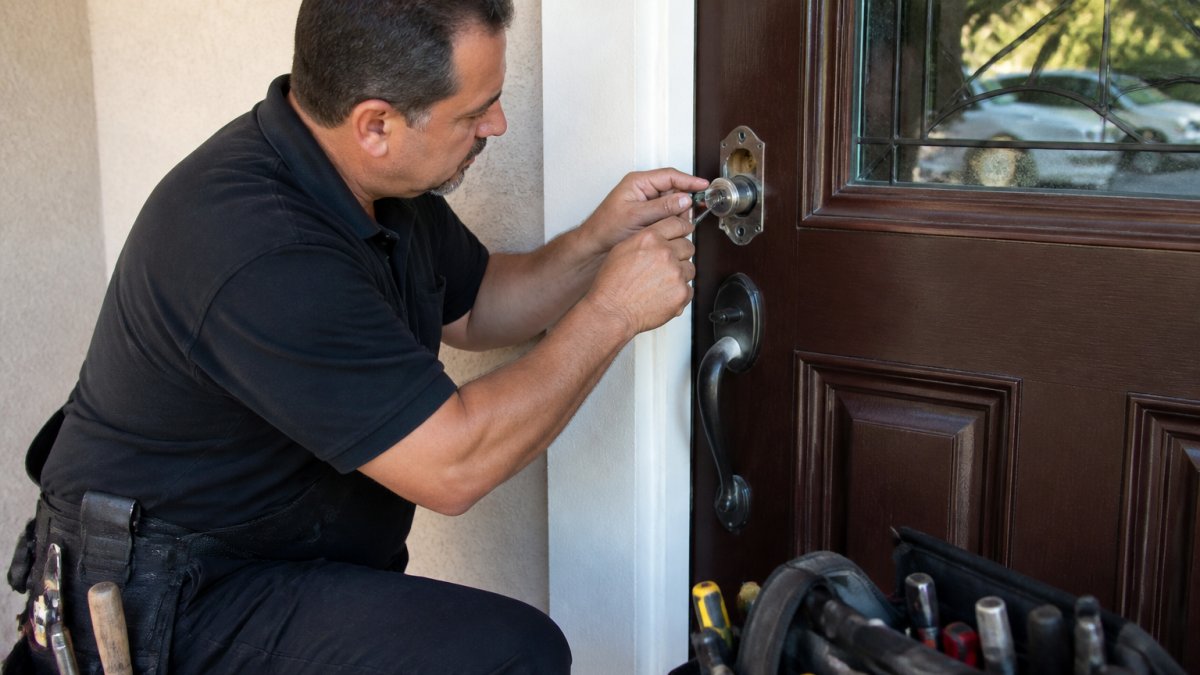
Professional lock installation is more than just putting a lock on a door, it's about securing your property with precision, expertise, and the right tools. Poor alignment, incorrect drilling, or wrong hardware placement can weaken your security without you knowing it, making professional lock installation essential for reliable protection.
DIY lock installation commonly causes misaligned locks, incorrect drilling, loose hardware, incompatible components, and improper anchoring that compromise security.
Proper alignment ensures the bolt extends fully into the strike plate, the door closes smoothly, and pressure distributes evenly to prevent frame damage over time.
High-security locks require specialized tools, precision installation, and professional expertise to preserve their pick-resistant cylinders, anti-drill elements, and reinforced strikes.
A complete professional quote should itemize hardware, labor, reinforcement hardware, testing, warranty terms, and cleanup rather than provide a single lump number.
A trustworthy locksmith should hold a valid license, carry proper insurance, assess your security needs, use quality hardware, and provide documentation of completed work.
Table of Contents
Why Professional Lock Installation Matters for Security
Professional lock installation is more than just putting a lock on a door. It's about securing your property with precision, expertise, and the right tools.
A lock that looks installed might still be compromised. Poor alignment, incorrect drilling, or wrong hardware placement can weaken your security without you knowing it.
At Plaza Lock, we've seen countless problems caused by improper installation. Misaligned locks jam. Doors won't close properly. Strike plates sit crooked. And worst of all, unauthorized entry becomes possible even though the lock appears functional.
DIY vs. Professional Lock Installation: Where Risks Hide
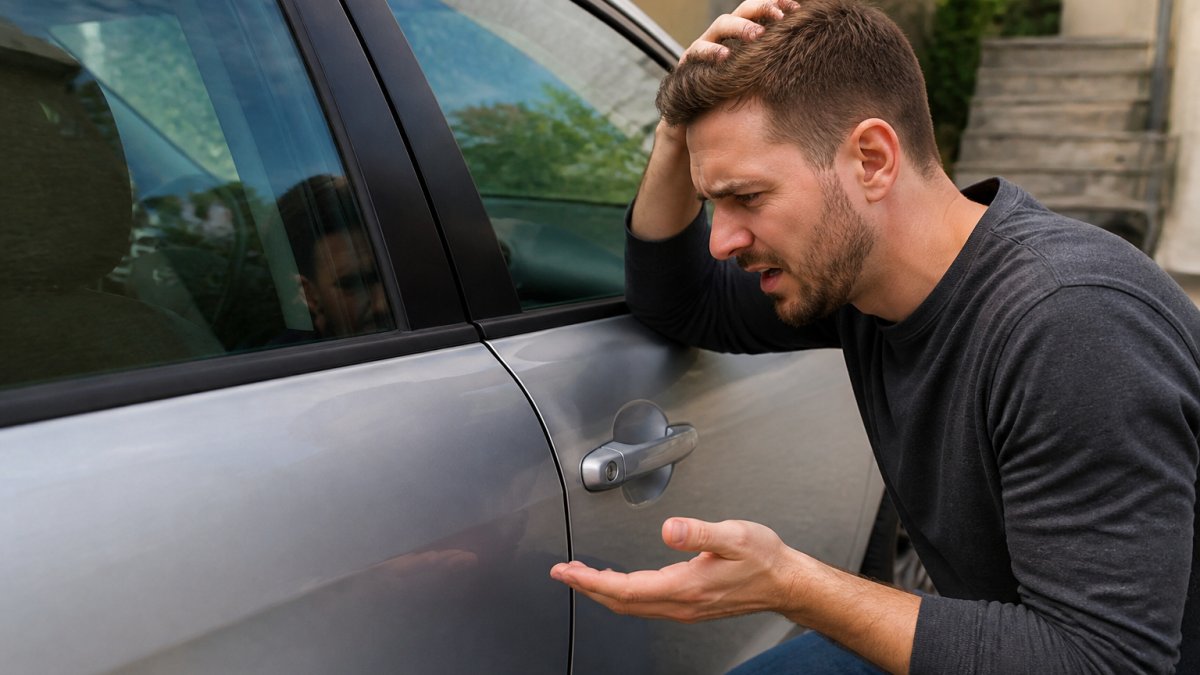
Many homeowners consider DIY lock installation to save money. Some straightforward replacements can work if you have the right knowledge.
DIY installation commonly creates these problems:
Misaligned locks that don't engage the strike plate properly
Incorrect drilling that weakens the door frame or creates wrong-sized holes
Loose hardware that fails over time or under stress
Incompatible components that don't work together correctly
Improper anchoring that allows the lock to shift or break
Professional locksmiths avoid these mistakes because they understand door construction, hardware compatibility, and proper installation technique.
The cost of a failed DIY installation often exceeds the price of hiring a professional from the start.
KeyMe's guide on DIY lock installation risks notes that improper installation can weaken door security and cause alignment or durability problems.
DIY lock installation commonly creates these problems that professional locksmiths know how to avoid.
Problem | Cause | Consequence |
Misaligned locks | Incorrect positioning during installation | Lock does not engage strike plate properly |
Incorrect drilling | Wrong bit size or depth | Weakened door frame or wrong-sized holes |
Loose hardware | Improper fastening technique | Hardware fails over time or under stress |
Incompatible components | Mismatched lock and hardware | Components do not work together correctly |
Improper anchoring | Inadequate fastening to frame | Lock shifts or breaks during use |
How Proper Alignment and Fit Prevent Long-Term Problems
Lock alignment determines whether your door closes smoothly and your lock engages fully. Small misalignments create big problems over time.
When a lock sits crooked, the bolt doesn't slide into the strike plate correctly. This creates friction. The lock becomes harder to turn.
Professional installation ensures:
The lock body sits perfectly parallel to the door edge
The strike plate aligns with the bolt path
The bolt extends fully into the strike plate
The door closes without binding or resistance
All hardware anchors securely to the frame
Proper fit also prevents damage. A lock that sits crooked puts uneven pressure on the door frame.
Quality checks after installation matter too.
High-Security Lock Installation Requires Specialized Tools and Expertise
High-security locks are engineered to resist the attacks that defeat ordinary hardware. Learn what makes locks secure and how to select the right high-security locks for your installation needs.
What makes a lock high-security
Pick- and bump-resistant cylinders with security pins, sidebars, or restricted keyways that limit key duplication.
Anti-drill and anti-saw elements, hardened steel inserts, rotating cylinder guards, or hardened bolts, that protect the cylinder and bolt from physical attack.
Reinforced strikes and frame hardware so the bolt cannot be spread or kicked past the strike.
Grade ratings. Under ANSI/BHMA A156.5 and related standards, deadbolts are graded (Grade 1, 2, 3) for security, durability, and finish. A Grade 1 deadbolt is built and tested to a higher attack and cycle standard than a Grade 3 builder-grade lock. Matching the grade to the door and the threat is part of professional selection.
Why installation precision matters more with high-security hardware
A high-security lock only delivers its rated protection if it is mounted square, anchored into solid material, and aligned so the bolt fully engages the strike.
The professional installation sequence
A competent installer works in a defined order:
Assess the door material, thickness, core, frame condition, and existing hardware, and confirm the chosen lock is compatible.
Measure and mark the bore, bolt, and strike locations against the lock's template and the door's actual geometry.
Drill and mortise with the correct bit sizes and depth, using a jig where the hardware calls for one.
Fit the lock body, cylinder, and strike, reinforcing the frame where the hardware requires it.
Align the bolt to the strike so it extends fully without binding, adjusting the strike or frame as needed.
Test operation from both sides, check key function and bolt throw, and confirm the door closes and latches cleanly.
Hand over with documentation of the hardware, any warranty, and operating guidance.
Tools that separate a professional install from a DIY attempt
Precision hole saws and boring jigs sized to the lock's template.
Mortising tools and chisels for a clean, correctly depth-set pocket.
A level and alignment gauges to verify the lock body and strike.
Torque drivers to seat fasteners without stripping or over-compressing the door.
Test keys and function checks to confirm the bolt throw and cylinder operation before sign-off.
Compatibility is part of the expertise
High-security hardware is not universal.
Market.us research on smart lock installation indicates that many advanced locks can be installed without drilling, but others require professional expertise. High-security locks almost always need professional installation.
At Plaza Lock, our team combines traditional craftsmanship with expertise in the latest high-security locks and access control technologies.
Watch Out Do not assume a high-security label guarantees protection. If the bolt does not fully engage a reinforced strike and the cylinder is not anchored into solid material, the lock cannot deliver its rated resistance.
Lock Installation Cost: What You Pay For and Why It Matters
Lock installation pricing is not a single number, it is the sum of labor, hardware, door prep, and risk.
What drives the labor portion
Lock type. A standard cylindrical knobset or deadbolt is a straightforward fit. A mortise lock, multipoint system, or electrified access-control lock takes longer to set, align, and test, so labor rises with mechanism complexity.
Door and frame condition. A solid-core or metal door with a clean, correctly sized bore is fast work. A hollow-core door, a warped frame, a mis-drilled prior installation, or a door that needs a new mortise pocket adds time and sometimes requires reinforcement plates or a wrap plate.
Existing hardware. A like-for-like replacement reuses the existing bore and strike. Switching from a knobset to a handleset, adding a deadbolt above an existing lock, or converting to a keypad or smart lock means new holes, new strike geometry, and re-testing.
Access and after-hours service. Standard business-hours residential work is the baseline. Emergency, weekend, or commercial after-hours calls carry a premium because of scheduling and response time.
What a complete quote should specify
A professional quote should itemize, not lump:
Hardware make and model (or a defined allowance if you are supplying the lock).
Labor for removal of the old hardware and preparation of the door and frame.
Any reinforcement hardware, strike plate, security strike, or door-frame reinforcer, called out separately.
Testing and adjustment time after installation.
Warranty terms on both the hardware and the installation workmanship.
Whether disposal of old hardware and cleanup are included.
If a quote is a single number with no breakdown, ask for the itemization before you compare it to another bid.
When repairs or upgrades add cost
Installation quotes assume a sound door. Common conditions that change the number:
Frame damage or rot around the strike area, which may need repair before a lock can be anchored securely.
Misaligned or undersized existing bores from a prior DIY or poor installation, which may require filling, re-boring, or a reinforcement plate.
Upgrading to a higher security grade, a heavier deadbolt, a reinforced strike, or a wrap plate, which adds hardware cost but is usually far less than the cost of a break-in or a failed lock.
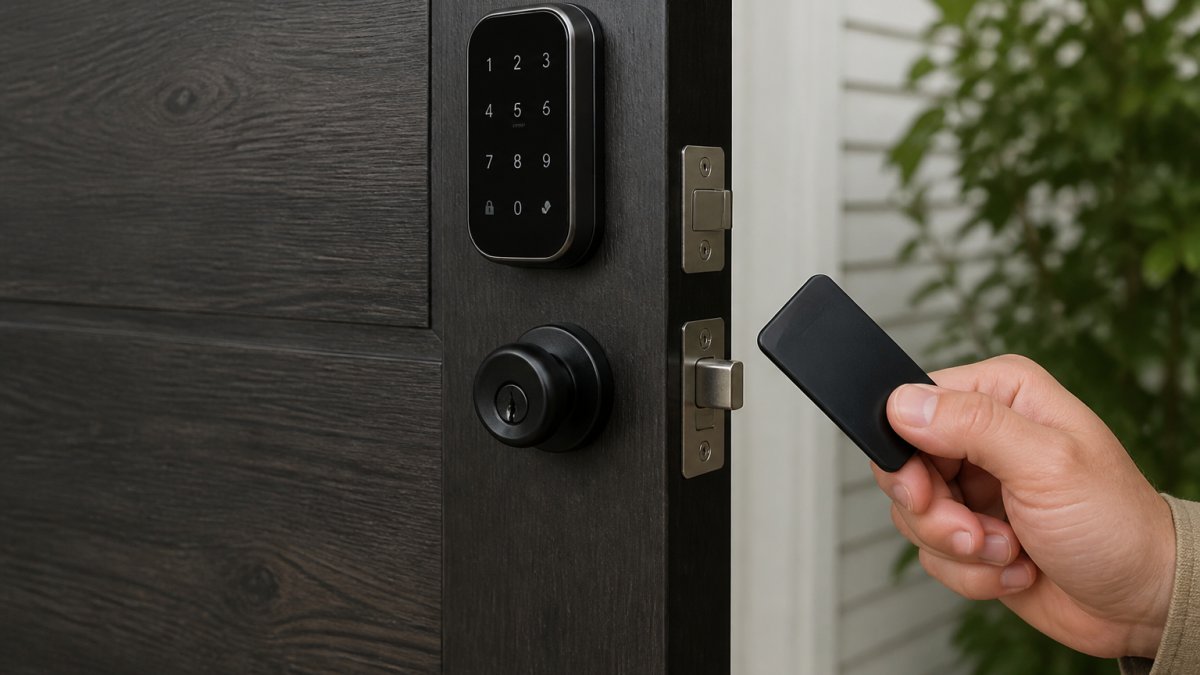
Adding access control or a smart lock, which introduces setup, user provisioning, and testing time beyond a mechanical install.
How to judge value, not just price
The cheapest install is the one that never needs a return visit.
For current pricing on high-security lock installation, contact us for a free estimate to understand what you should expect to pay and why installation quality justifies the cost.
Key Takeaway Compare quotes on scope, not just total. The bid that itemizes hardware, prep, reinforcement, testing, and warranty is the one you can actually hold to account.
How to Choose a Locksmith You Can Trust
Hiring the right locksmith matters as much as the installation itself.
Start by verifying credentials. A trustworthy locksmith should hold a valid license and carry proper insurance. Ask for proof.
Look for experience and specialization. A locksmith who handles residential work, commercial systems, and emergency calls has broad knowledge.
Ask about their process. A professional locksmith should:
Assess your security needs before recommending a solution
Explain what they'll do and why
Use quality hardware from reputable manufacturers
Test everything thoroughly before finishing
Provide documentation of the work completed
Real customer feedback matters. Ask for references from past clients.
Consumer guidance on verifying locksmith trustworthiness emphasizes the importance of checking credentials and getting detailed quotes before hiring.
For specific guidance on selecting a qualified locksmith, learn how to verify locksmith trustworthiness and get steps for hiring a trustworthy local locksmith.
At Plaza Lock, we've built our reputation over 30 years by delivering sincere, exceptional service.
Get Your Free Security Assessment Today
Your lock installation is only as good as the locksmith who performs it. Professional expertise, proper tools, and attention to detail make the difference between a lock that looks secure and one that actually is.
If you're planning a lock installation or upgrading your security system, don't settle for DIY shortcuts or unlicensed installers.
Contact Plaza Lock for a free security assessment. Our team will evaluate your current locks, recommend the right high-security solutions for your needs, and ensure everything is installed correctly.
Frequently Asked Questions
What can go wrong when a door lock is installed incorrectly?
Poor lock installation weakens security, causes misalignment with the strike plate, and leads to unreliable operation. Improper drilling can damage the door frame, allowing unauthorized entry. Incorrect hardware placement reduces the lock's holding strength. Over time, misaligned locks wear faster, requiring costly repairs or replacement. Professional lock installation prevents these failures by ensuring precise alignment, correct hardware anchoring, and smooth, secure operation from day one.
When should you hire a professional to install a lock?
Hire a professional for any lock installation on non-standard doors, high-security systems, commercial access control, or when you lack specialized tools. Professional locksmith services ensure proper door frame assessment, accurate measuring, and correct lock selection for your specific security needs. Even straightforward replacements benefit from professional expertise to guarantee reliability and avoid alignment problems that compromise your entry system's durability and safety.
How does a locksmith make sure a lock fits the door?
A professional locksmith measures your door thickness, frame dimensions, and existing hardware placement before selecting the correct lock. They assess non-standard door frames, verify strike plate alignment, and test fit before final installation. Precise alignment with the door frame prevents binding, ensures smooth operation, and maximizes the lock's holding strength. This diagnostic process protects against compatibility issues and guarantees your lock functions reliably long-term.
Is DIY lock installation ever a good option?
DIY installation may work for straightforward replacements on standard doors if you have the right tools and experience. However, improper installation weakens door security and causes alignment or durability problems. Most homeowners lack specialized tools, technical expertise, and the ability to diagnose door-specific compatibility issues. Professional lock installation eliminates these risks, ensures burglary prevention, and provides the reliability and access control your property needs.
Professional lock installation protects your property and gives you genuine peace of mind. The right locksmith combines expertise with quality hardware to create a security system you can trust. Plaza Lock brings 30 years of experience and commitment to every installation we perform.
Comments